Featured content
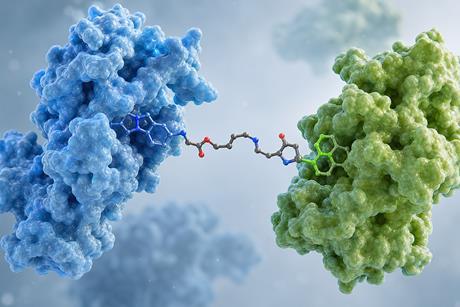
PROTACs vs molecular glues: which degrader fits your target?
PROTACs and molecular glues can both remove disease-associated proteins, but choosing between them is not simple. Our new Discovery Toolkit compares the options to help discovery teams choose the right strategy.
 Report
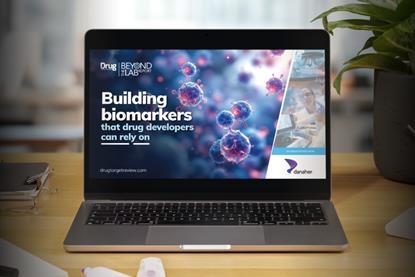
Building biomarkers that drug developers can rely on
Discover how integrated technologies, multiomic approaches and AI are helping researchers translate complex biological signals into actionable tools for drug development and patient care.
 Article
How rare genetic variants could uncover new drug targets
What if extreme levels of common traits have a different genetic basis? New research suggests rare, large-effect variants could help explain the extremes and identify potential drug targets.
 Article
How AI-driven systems biology will reset the starting line for drug development
AI is making drug discovery faster, but can it make it more successful? Discover why combining AI with systems biology could help researchers tackle the biological complexity behind drug failure.
News
 News
NewsMYC-driven breast cancers show exploitable metabolic vulnerability
A preclinical study has identified a metabolic vulnerability in aggressive MYC-driven breast cancers, with researchers demonstrating that simultaneously blocking mitochondrial respiration and glutamine uptake significantly slows tumour growth in mouse models.
 News
NewsPeptide vaccine targeting PCSK9 reduces cholesterol and atherosclerotic plaque in mice
A structure-guided peptide vaccine targeting PCSK9 has reduced LDL cholesterol and atherosclerotic plaque burden in mouse models, offering a potential longer-lasting alternative to existing PCSK9-targeting biologics, though primate results remain inconclusive.
 News
NewsReview challenges one-size-fits-all approach to OSCC drug delivery
A new review published in the European Journal of Pharmaceutics and Biopharmaceutics argues that no single local drug-delivery formulation will suit every oral squamous cell carcinoma tumour, urging researchers to anchor development in clinical and biological context from the outset.
 News
NewsBRAF identified as novel target for neuropathic pain treatment
Researchers at MD Anderson Cancer Center have discovered that BRAF, a protein well known for its role in cancer, may also drive chronic pain following nerve injury – raising the prospect of repurposing approved cancer drugs as treatments for neuropathic pain.
From our partners

Webinar
Oligonucleotide therapeutics safety considerations across drug development
As oligonucleotide therapeutics continue to advance, their safety assessment presents challenges that differ from traditional drug modalities. Discover how nonclinical safety studies, evolving regulatory expectations and real-world case examples can help you navigate these challenges with greater confidence.
Opinion and interviews

The global push to reduce animal testing in drug development
Non-animal methods are already used throughout early drug discovery, yet animal testing continues to dominate regulatory safety assessment. Recent initiatives suggest change is coming, but significant scientific and practical challenges remain.
- Previous
- Next





Join now
Unlock exclusive industry insights
- Bookmark articles and resources to access anytime
- Enjoy free access to industry leading resources, webinars and insights
- Stay informed with the latest news and breakthroughs
- Receive updates and recommendations tailored to your research interests
Upcoming Webinars

Webinar
Meeting ethical & regulatory requirements when using human biological specimens
Whether you source, purchase or work with human biospecimens, understanding today’s ethical and regulatory expectations is essential. Join this webinar to explore informed consent, privacy and the principles that support responsible research.
Webinar
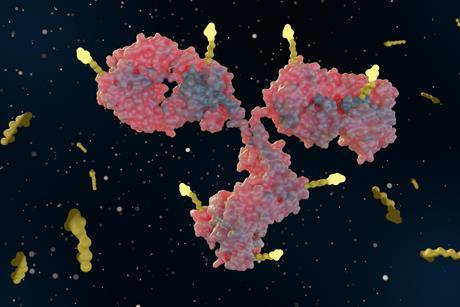
Building better therapeutic antibodies: the science, progress and problems to solve
As therapeutic antibodies become more complex, where is the field making real progress and which problems are proving hardest to solve? Hear leading experts share their perspectives.
Webinar
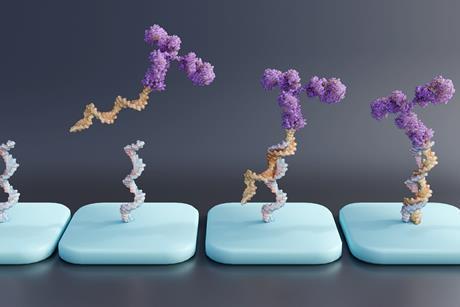
Oligonucleotide therapeutics safety considerations across drug development
As oligonucleotide therapeutics continue to advance, their safety assessment presents challenges that differ from traditional drug modalities. Discover how nonclinical safety studies, evolving regulatory expectations and real-world case examples can help you navigate these challenges with greater confidence.
Webinar
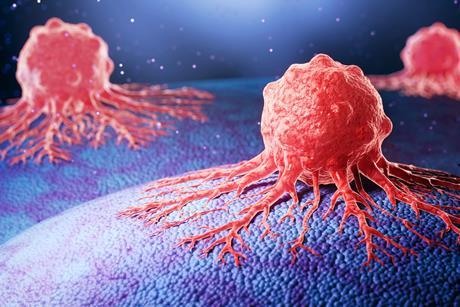
What it really takes to turn cancer discoveries into new therapies
Five leading cancer researchers from across genomics, proteomics, cell biology, chemical biology and gene therapy dig into what’s driving cancer drug discovery forward and what’s still holding progress back.
Meeting ethical & regulatory requirements when using human biological specimens
Building better therapeutic antibodies: the science, progress and problems to solve
Oligonucleotide therapeutics safety considerations across drug development
What it really takes to turn cancer discoveries into new therapies
On-demand Webinars
- Previous
- Next