Featured content

Fast-tracking AI-designed binders with cell-free expression and SPR
AI can rapidly generate new protein binders, but wet-lab validation remains a major bottleneck. Combining cell-free protein synthesis with surface plasmon resonance (SPR) enables AI-designed antibody binders to be screened directly from crude extracts, bypassing lengthy cell culture and purification steps.
 Article
Sample collection: the overlooked key to genomic study success
As genomic studies become larger and more diverse, sample collection can make or break their success. Discover why collection strategy matters for recruitment, scale and data quality.
 Article
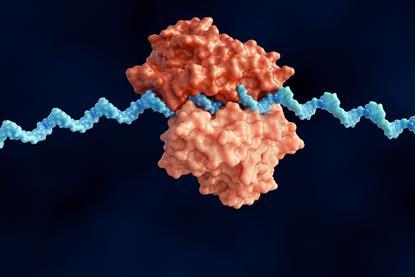
Why more ribosomes can mean less protein in mRNA therapeutics
What happens when the cellular machinery making therapeutic proteins slows down? New research in Nature shows why translation speed could matter for the design of mRNA medicines.
 Article
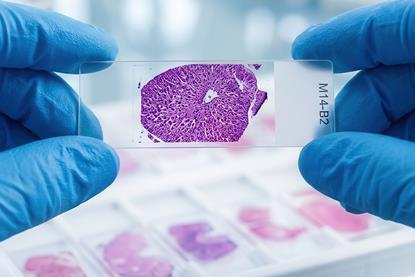
What makes a human biospecimen fit for purpose in drug discovery
Human biospecimens can bring drug discovery closer to human disease, but their value depends on far more than the sample itself. We explore the factors that determine how much researchers can learn from them.
News
 News
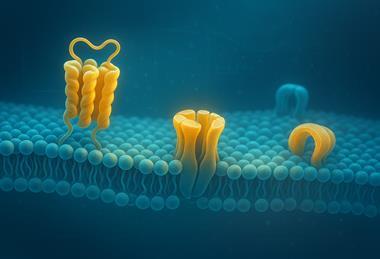
NewsSolute carrier transporters open new frontier in neurological drug discovery
A comprehensive review of solute carrier transporters argues that the 464-strong SLC protein family represents a largely unexplored opportunity for developing treatments across a range of neurological and psychiatric conditions, from epilepsy and autism to Alzheimer’s disease.
 News
NewsBioLife patents effervescent oral peptide delivery platform targeting GLP-1 therapies
BioLife has been granted a US patent for its effervescent OralMatrix oral peptide delivery platform, with preclinical data showing measurable systemic semaglutide exposure and patent claims extending across six GLP-1 medicines.
 News
NewsWhole-genome sequencing delivers actionable biomarkers in 73 percent of cancer patients
A large real-world study published in Nature Medicine demonstrates that whole-genome sequencing can identify actionable biomarkers in nearly three-quarters of solid cancer patients within routine clinical practice, with findings that carry significant implications for precision drug development and biomarker-driven treatment strategies.
 News
NewsExperimental RNA drug reverses scleroderma signs in preclinical study
An experimental synthetic non-coding RNA drug has reversed signs of systemic sclerosis in patient-derived immune cells and mouse models, with researchers now preparing an IND application to the FDA.
From our partners

Webinar
Cracking cell dynamics with single-cell proteomics and CRISPR
What can pooled CRISPR screening and protein‑level readouts reveal that transcriptomics alone can’t? Explore how single‑cell genomic perturbations, intracellular protein measurements and surface‑protein profiling expose signalling pathways and clarify antibody specificity.
Webinar
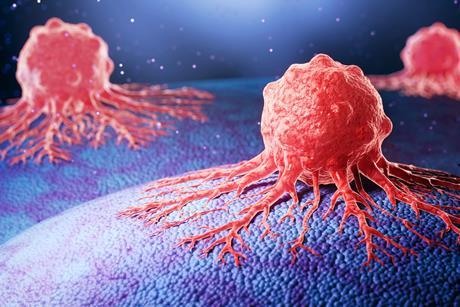
What it really takes to turn cancer discoveries into new therapies
Five leading cancer researchers from across genomics, proteomics, cell biology, chemical biology and gene therapy dig into what’s driving cancer drug discovery forward and what’s still holding progress back.
Opinion and interviews

The global push to reduce animal testing in drug development
Non-animal methods are already used throughout early drug discovery, yet animal testing continues to dominate regulatory safety assessment. Recent initiatives suggest change is coming, but significant scientific and practical challenges remain.
- Previous
- Next




Join now
Unlock exclusive industry insights
- Bookmark articles and resources to access anytime
- Enjoy free access to industry leading resources, webinars and insights
- Stay informed with the latest news and breakthroughs
- Receive updates and recommendations tailored to your research interests
Upcoming Webinars

Webinar
Meeting ethical & regulatory requirements when using human biological specimens
Whether you source, purchase or work with human biospecimens, understanding today’s ethical and regulatory expectations is essential. Join this webinar to explore informed consent, privacy and the principles that support responsible research.
Webinar
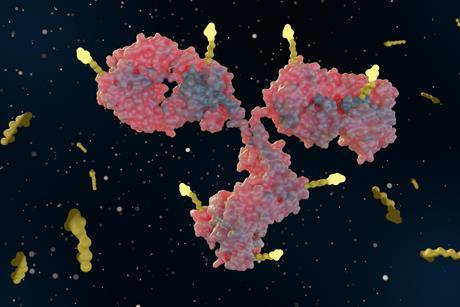
Building better therapeutic antibodies: the science, progress and problems to solve
As therapeutic antibodies become more complex, where is the field making real progress and which problems are proving hardest to solve? Hear leading experts share their perspectives.
Webinar
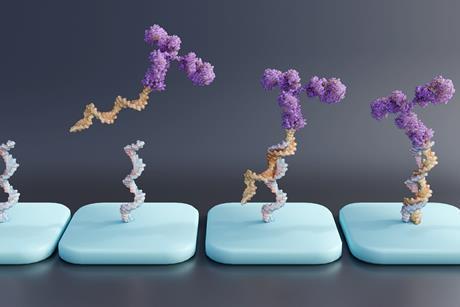
Oligonucleotide therapeutics safety considerations across drug development
As oligonucleotide therapeutics continue to advance, their safety assessment presents challenges that differ from traditional drug modalities. Discover how nonclinical safety studies, evolving regulatory expectations and real-world case examples can help you navigate these challenges with greater confidence.

Webinar
From antibody discovery to development: long-read sequencing in practice
As sequencing continues to grow in importance across biotherapeutic discovery and development, where can it make the biggest impact and how can fragmented workflows be overcome?
Webinar
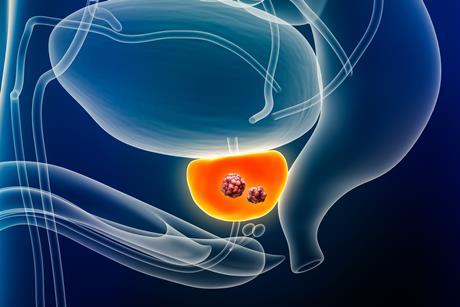
Mapping the prostate tumour microenvironment with spatial proteomics
As spatial proteomics advances, how can researchers find the complex biology of the prostate tumour microenvironment while preserving spatial context? Hear experts from the University of Surrey share their approach.
Webinar
Cracking cell dynamics with single-cell proteomics and CRISPR
What can pooled CRISPR screening and protein‑level readouts reveal that transcriptomics alone can’t? Explore how single‑cell genomic perturbations, intracellular protein measurements and surface‑protein profiling expose signalling pathways and clarify antibody specificity.
Meeting ethical & regulatory requirements when using human biological specimens
Building better therapeutic antibodies: the science, progress and problems to solve
Oligonucleotide therapeutics safety considerations across drug development
From antibody discovery to development: long-read sequencing in practice
Mapping the prostate tumour microenvironment with spatial proteomics
Cracking cell dynamics with single-cell proteomics and CRISPR
On-demand Webinars
- Previous
- Next