
Featured content
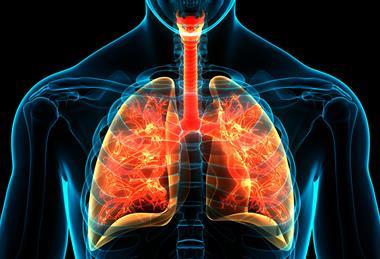
Strong binding isn’t enough – why cellular target engagement matters
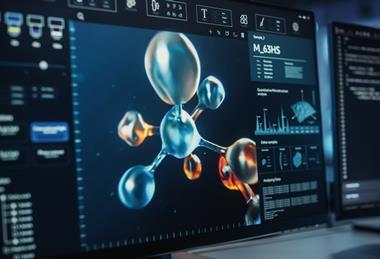
Promising compounds don’t always engage their targets in living cells. At ELRIG Drug Discovery 2026, Dr Joshua Sopp of Promega discusses why earlier cellular testing matters and how BRETSA could help researchers investigate new drug targets.
 Report
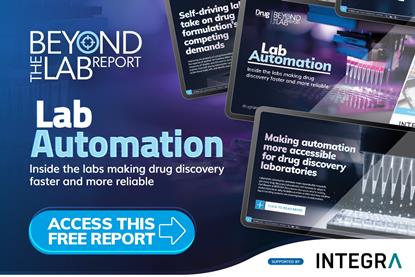
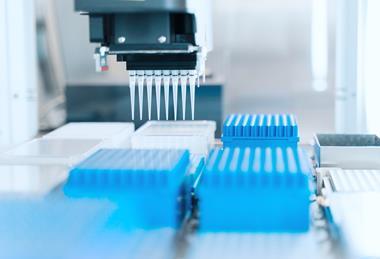
Lab Automation 2026: Inside the labs making drug discovery faster and more reliable
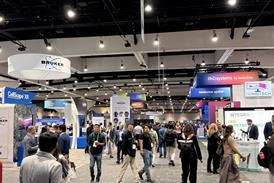
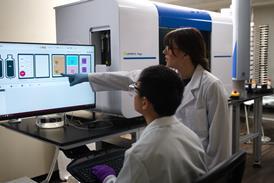
Six scientists and industry experts discuss the challenges of automating drug discovery, from improving screening reliability and reproducibility to developing more autonomous laboratories.
 Article
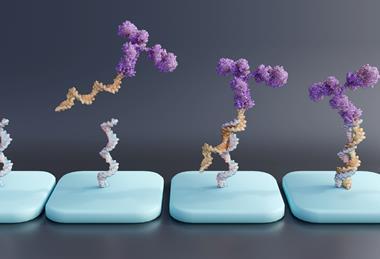
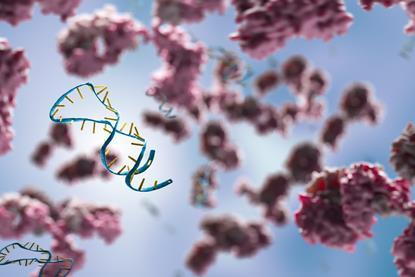
Why reagent selection belongs inside assay design
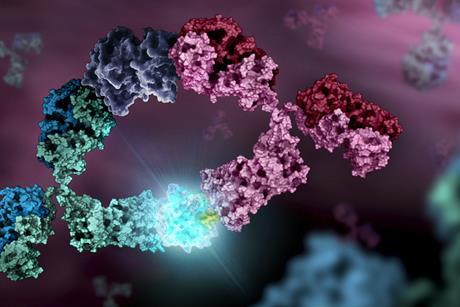
High affinity is often a priority when selecting reagents, but does it guarantee better assay performance? Discover why binding kinetics and matrix selectivity matter when developing custom reagents for challenging targets.
 Article
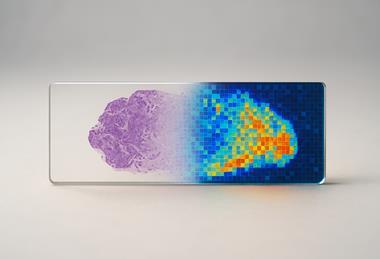
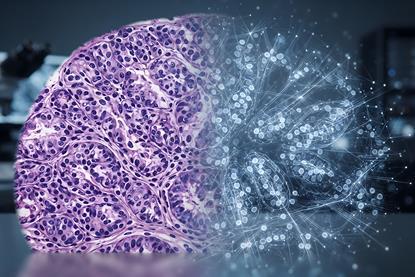
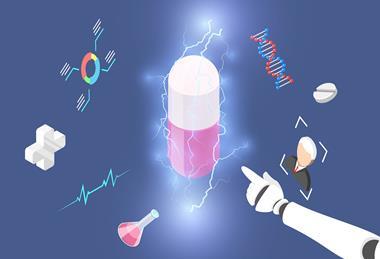
Virtual cells vs experimental models: which can you trust?
How reliable are AI virtual cells compared with experimental models? We examine what each can predict or measure, the evidence behind their reliability and their role in early drug discovery.
News
 News
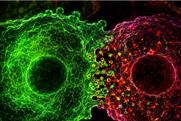
Triptolide plant compound could improve response to epigenetic cancer drugs
Researchers at Johns Hopkins have identified a natural plant compound capable of blocking an enzyme that degrades DNA methyltransferase inhibitors, offering a potential strategy to overcome resistance to epigenetic cancer therapies.
 News
ANO6 protein identified as dual therapeutic target in pancreatic cancer
Researchers at Fox Chase Cancer Center have identified anoctamin 6 (ANO6) as a potential therapeutic target in pancreatic cancer, finding that blocking the protein disrupts both nutrient transfer to tumour cells and immune evasion in preclinical models.
 News
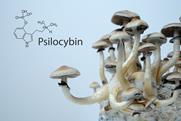
Multi-lab study challenges reproducibility of psilocybin behavioural findings
A landmark multi-institution collaboration has found no reproducible lasting behavioural changes in mice 24 hours after a single psilocybin dose, raising important questions about research reproducibility in psychedelic drug discovery.
 News
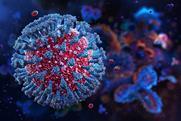
Novel RNA-protein interactions reveal conserved SARS-CoV-2 antiviral targets
A new study has mapped previously unknown RNA-protein interactions across the SARS-CoV-2 genome, identifying conserved sites involving RdRp and the nucleocapsid protein as potential antiviral drug targets less susceptible to mutational escape.
From our partners
Webinar
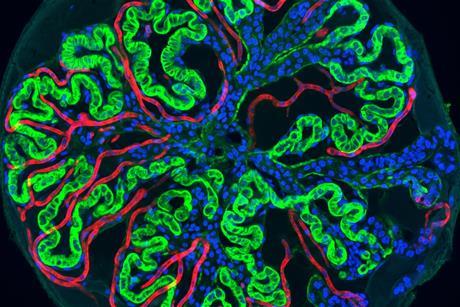
From vial to viable: best practices for culturing organoids
Poor recovery, inconsistent growth and changes in morphology can affect organoid research. How much experimental variability starts with the culture itself?
Webinar
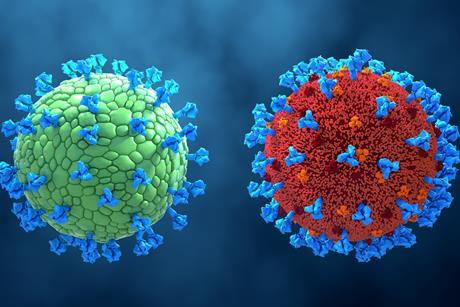
Virus-like particles for vaccine serology: from dengue VLP production to neutralising antibody detection
Find out how virus-like particles are produced at scale, and how they can be used to measure IgM, IgG and neutralising antibody responses in vaccine development.
Opinion and interviews
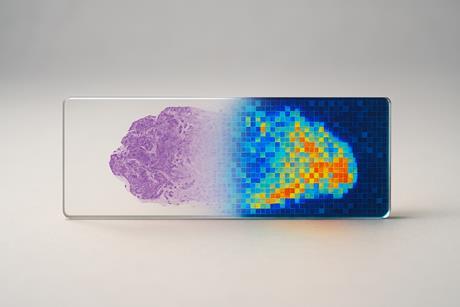
How multiomics can strengthen drug target discovery
How can multiomics help researchers identify more promising drug targets? Dr Shi-qi An explores how combining molecular data can reveal therapeutic vulnerabilities and mechanisms of drug resistance.
- Previous
- Next



Join now
Unlock exclusive industry insights
- Bookmark articles and resources to access anytime
- Enjoy free access to industry leading resources, webinars and insights
- Stay informed with the latest news and breakthroughs
- Receive updates and recommendations tailored to your research interests
Upcoming Webinars

Webinar
Cracking cell dynamics with single-cell proteomics and CRISPR
What can pooled CRISPR screening and protein‑level readouts reveal that transcriptomics alone can’t? Explore how single‑cell genomic perturbations, intracellular protein measurements and surface‑protein profiling expose signalling pathways and clarify antibody specificity.
Webinar
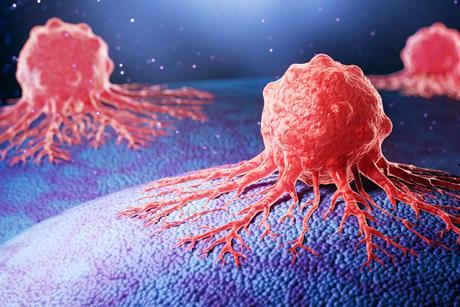
What it really takes to turn cancer discoveries into new therapies
Five leading cancer researchers from across genomics, proteomics, cell biology, chemical biology and gene therapy dig into what’s driving cancer drug discovery forward and what’s still holding progress back.
Webinar
Virus-like particles for vaccine serology: from dengue VLP production to neutralising antibody detection
Find out how virus-like particles are produced at scale, and how they can be used to measure IgM, IgG and neutralising antibody responses in vaccine development.
Webinar
From vial to viable: best practices for culturing organoids
Poor recovery, inconsistent growth and changes in morphology can affect organoid research. How much experimental variability starts with the culture itself?
Cracking cell dynamics with single-cell proteomics and CRISPR
What it really takes to turn cancer discoveries into new therapies
Virus-like particles for vaccine serology: from dengue VLP production to neutralising antibody detection
From vial to viable: best practices for culturing organoids
On-demand Webinars
- Previous
- Next