Featured content
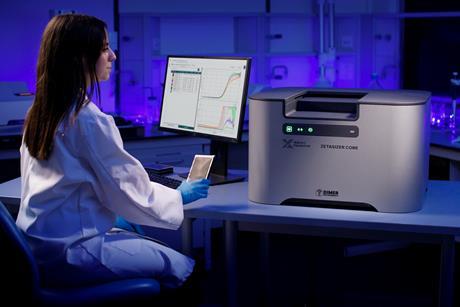
Faster, scalable biologics stability testing without sacrificing data quality
Stability problems can derail promising biologics late in development. Bringing high-throughput testing earlier into discovery could help researchers identify risks before they become costly failures.
 Interview
A sceptical guide to AI agents in drug discovery
AI agents promise to transform drug discovery, but where do they really add value? Dr Eric Ma examines search, model choice, vendor lock-in and why scientific expertise matters more than ever.
 Article
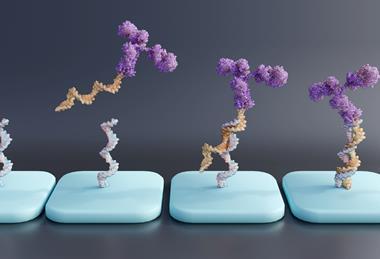
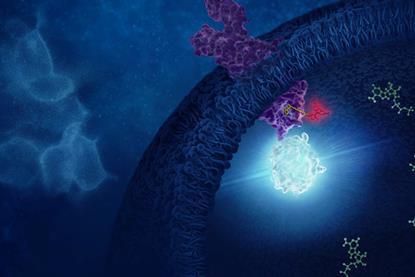
Induced proximity drugs – why complex formation is not enough
A drug can form exactly the complex it was designed to make and still fail to work. Two recently approved induced proximity drugs show why what happens after complex formation – not formation alone – can decide the outcome.
 Article
Drug discovery in Q3 2026 – what changed and why it matters
Agentic AI, ultralarge virtual screening, molecular glues and human-relevant models were among the key developments in early drug discovery during Q3 2026. Drug Target Review examines what changed, why it matters and what to watch heading into Q4.
News
 News
NewsSpeakers announced for Protein Sciences in Drug Discovery 2026 in Stevenage
Three leading scientists in protein science, structural biology and AI will headline the Protein Sciences in Drug Discovery conference at GSK Stevenage in November 2026, exploring advances in AI-driven drug design, native mass spectrometry and membrane protein folding.
 News
NewsTazbentetol shows retinal neuroprotection potential in diabetic mouse model
Experimental synaptic restoration compound tazbentetol has demonstrated neuroprotective effects in the retinas of diabetic mice, offering a potential new therapeutic avenue for diabetic retinal neuropathy ahead of detectable vascular damage.
 News
NewsVPS34 inhibition boosts GD2 visibility to enhance neuroblastoma immunotherapy
Penn State researchers have shown that inhibiting the protein VPS34 increases GD2 display on neuroblastoma cell surfaces, making tumours more visible to anti-GD2 antibodies and improving outcomes in preclinical combination studies.
 News
NewsWhiteLab Genomics raises $26m to advance AI-designed genomic medicines
TechBio firm WhiteLab Genomics has closed a $26 million Series B round to expand in vivo validation of its AI-designed genomic medicines across viral and non-viral delivery platforms.
From our partners

Webinar
From antibody discovery to development: long-read sequencing in practice
As sequencing continues to grow in importance across biotherapeutic discovery and development, where can it make the biggest impact and how can fragmented workflows be overcome?
Webinar
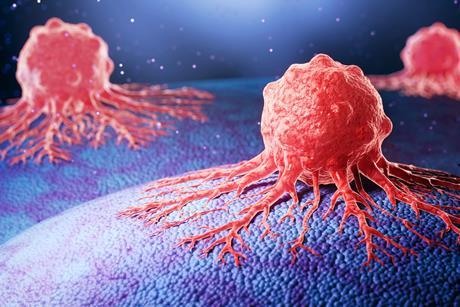
What it really takes to turn cancer discoveries into new therapies
Five leading cancer researchers from across genomics, proteomics, cell biology, chemical biology and gene therapy dig into what’s driving cancer drug discovery forward and what’s still holding progress back.
Opinion and interviews

A sceptical guide to AI agents in drug discovery
AI agents promise to transform drug discovery, but where do they really add value? Dr Eric Ma examines search, model choice, vendor lock-in and why scientific expertise matters more than ever.
- Previous
- Next






Join now
Unlock exclusive industry insights
- Bookmark articles and resources to access anytime
- Enjoy free access to industry leading resources, webinars and insights
- Stay informed with the latest news and breakthroughs
- Receive updates and recommendations tailored to your research interests
Upcoming Webinars
Webinar
From antibody discovery to development: long-read sequencing in practice
As sequencing continues to grow in importance across biotherapeutic discovery and development, where can it make the biggest impact and how can fragmented workflows be overcome?
Webinar
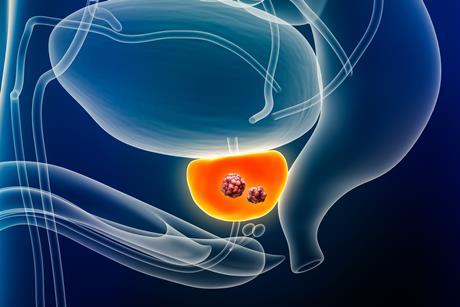
Mapping the prostate tumour microenvironment with spatial proteomics
As spatial proteomics advances, how can researchers find the complex biology of the prostate tumour microenvironment while preserving spatial context? Hear experts from the University of Surrey share their approach.

Webinar
Cracking cell dynamics with single-cell proteomics and CRISPR
What can pooled CRISPR screening and protein‑level readouts reveal that transcriptomics alone can’t? Explore how single‑cell genomic perturbations, intracellular protein measurements and surface‑protein profiling expose signalling pathways and clarify antibody specificity.
Webinar
What it really takes to turn cancer discoveries into new therapies
Five leading cancer researchers from across genomics, proteomics, cell biology, chemical biology and gene therapy dig into what’s driving cancer drug discovery forward and what’s still holding progress back.
Webinar
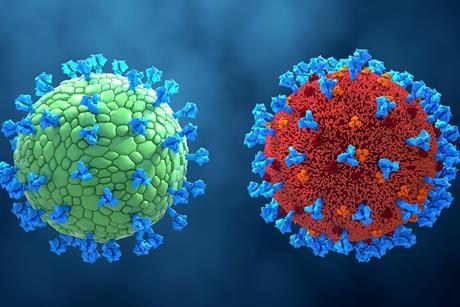
VLPs as serological tools for diagnostics and vaccine development
What makes VLPs so useful in diagnostics and vaccine development? Explore their manufacture, serological applications and use in capturing neutralising antibodies.
From antibody discovery to development: long-read sequencing in practice
Mapping the prostate tumour microenvironment with spatial proteomics
Cracking cell dynamics with single-cell proteomics and CRISPR
What it really takes to turn cancer discoveries into new therapies
VLPs as serological tools for diagnostics and vaccine development
On-demand Webinars
- Previous
- Next