Featured content
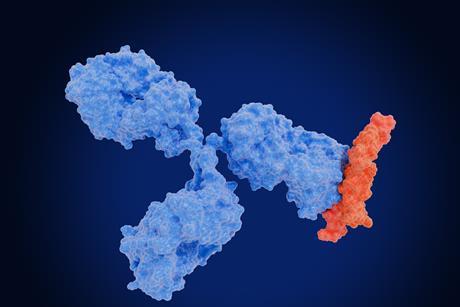
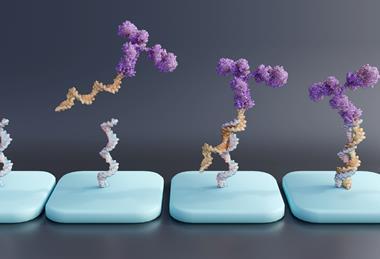
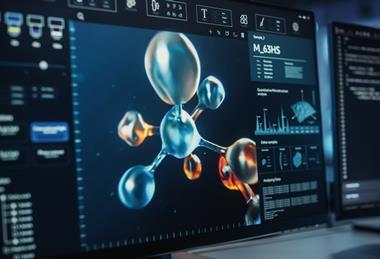
How asymmetric binding affinity enables reversible IL-12 switches
Stronger binding isn’t always better. Dr Teresa Barata of FairJourney Bio explains how researchers engineered a dual-specificity antibody switch designed to control IL-12 activity in tumours.
 Article
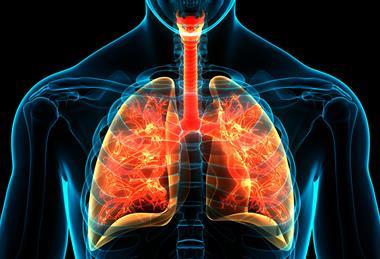
What tissue accumulation can reveal about oligonucleotide safety
Oligonucleotides can remain in tissues long after disappearing from circulation, but does accumulation necessarily indicate toxicity? Dr Tina Rogers examines the evidence needed to interpret preclinical safety findings.
 Article
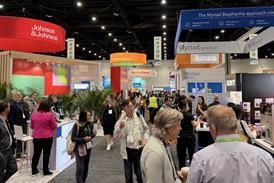
Strong binding isn’t enough – why cellular target engagement matters
Promising compounds don’t always engage their targets in living cells. At ELRIG Drug Discovery 2026, Dr Joshua Sopp of Promega discusses why earlier cellular testing matters and how BRETSA could help researchers investigate new drug targets.
 Report
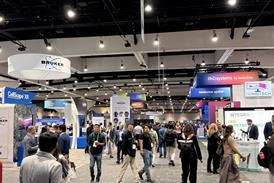
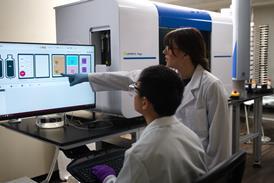
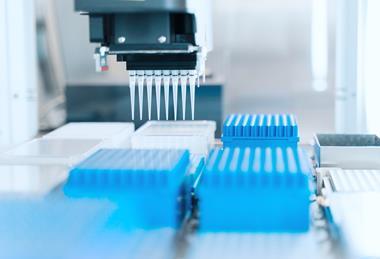
Lab Automation 2026: Inside the labs making drug discovery faster and more reliable
Six scientists and industry experts discuss the challenges of automating drug discovery, from improving screening reliability and reproducibility to developing more autonomous laboratories.
News
 News
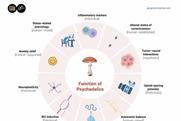
Psychedelics and cancer: exploring neurological pathways in tumour biology
A new peer-reviewed review explores whether psychedelic compounds could influence cancer biology through neurological and immune mechanisms, whilst identifying psychological wellbeing as the most credible near-term clinical opportunity.
 News
DNA enhancer switch drives androgen receptor breast cancer suppression
A small regulatory DNA element called HRRINT3 has been found to play a critical role in enabling the androgen receptor to suppress cell growth in oestrogen receptor-positive breast cancer, pointing towards new therapeutic strategies for patients with advanced disease.
 News
Cell reprogramming induces immune structures across seven cancer types
Asgard Therapeutics has shown that its in vivo cell reprogramming platform can reliably induce mature immunogenic tertiary lymphoid structures across seven tumour types.
 News
Framework proposed to advance plant-derived anti-inflammatory drug discovery
A review led by researchers at the Naval Medical University proposes a structured framework for evaluating plant-derived anti-inflammatory compounds, warning that pathway inhibition alone is insufficient evidence of direct molecular target engagement.
From our partners
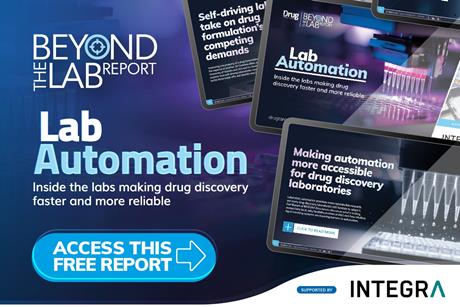
Report
Lab Automation 2026: Inside the labs making drug discovery faster and more reliable
Six scientists and industry experts discuss the challenges of automating drug discovery, from improving screening reliability and reproducibility to developing more autonomous laboratories.
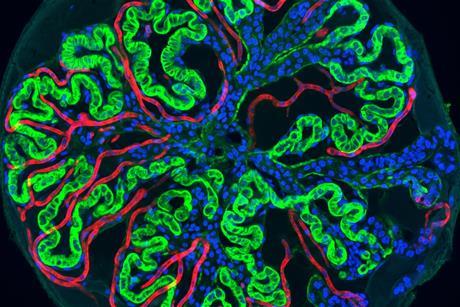
Webinar
From vial to viable: best practices for culturing organoids
Poor recovery, inconsistent growth and changes in morphology can affect organoid research. How much experimental variability starts with the culture itself?
Opinion and interviews
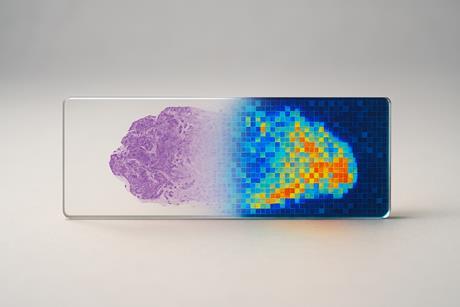
How multiomics can strengthen drug target discovery
How can multiomics help researchers identify more promising drug targets? Dr Shi-qi An explores how combining molecular data can reveal therapeutic vulnerabilities and mechanisms of drug resistance.
- Previous
- Next




Join now
Unlock exclusive industry insights
- Bookmark articles and resources to access anytime
- Enjoy free access to industry leading resources, webinars and insights
- Stay informed with the latest news and breakthroughs
- Receive updates and recommendations tailored to your research interests
Upcoming Webinars
Webinar
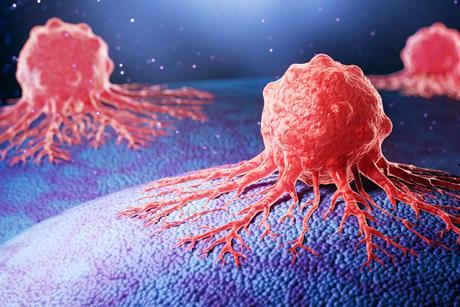
What it really takes to turn cancer discoveries into new therapies
Five leading cancer researchers from across genomics, proteomics, cell biology, chemical biology and gene therapy dig into what’s driving cancer drug discovery forward and what’s still holding progress back.
Webinar
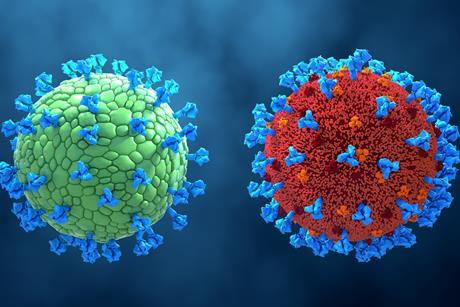
Virus-like particles for vaccine serology: from dengue VLP production to neutralising antibody detection
Find out how virus-like particles are produced at scale, and how they can be used to measure IgM, IgG and neutralising antibody responses in vaccine development.
Webinar
From vial to viable: best practices for culturing organoids
Poor recovery, inconsistent growth and changes in morphology can affect organoid research. How much experimental variability starts with the culture itself?
What it really takes to turn cancer discoveries into new therapies
Virus-like particles for vaccine serology: from dengue VLP production to neutralising antibody detection
From vial to viable: best practices for culturing organoids
On-demand Webinars
- Previous
- Next