



New research suggests that the drying of tuberculosis-containing respiratory droplets may cause DNA damage in Mycobacterium tuberculosis, potentially increasing genetic diversity and the emergence of antibiotic-resistant bacteria.
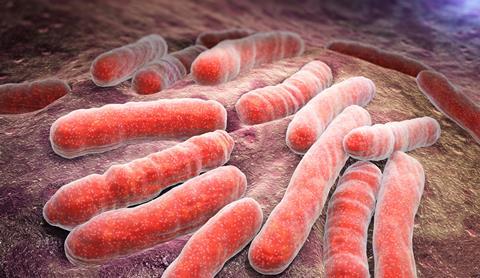
The drying process that occurs when Mycobacterium tuberculosis is expelled into the air may play an important role in the development of antibiotic resistance, according to new research published in Nature Microbiology.
Scientists found that desiccation – the loss of water that occurs as tuberculosis-containing respiratory droplets evaporate – causes oxidative stress and DNA damage in M. tuberculosis. The resulting damage activates several DNA repair mechanisms that help the bacteria survive.
The findings suggest that transmission through the air is not simply a passive stage in the life cycle of the tuberculosis bacterium. Instead, the physical stresses associated with aerosol transmission may influence the bacterium’s genetic diversity and its ability to acquire drug resistance.
The study was led by researchers including Christopher Brown, Brendon Lee and Kyu Rhee. The team investigated how M. tuberculosis responds to different levels of humidity using laboratory systems designed to reproduce the drying and rehydration experienced during aerosol transmission.
DNA damage linked to resistance
The researchers found that desiccation increased oxidative stress, oxidative damage and double-stranded DNA breaks. In response, the bacteria increased the activity of genes involved in several DNA repair pathways.
When the dried bacteria were allowed to recover in nutrient-rich conditions, some of the apparent loss of culturability could be reversed. This suggested that at least some cells were able to repair damage sustained during drying rather than simply dying.
The team then examined whether this DNA damage could contribute to mutations associated with antibiotic resistance. Using resistance to rifampicin, a key drug in tuberculosis treatment, as a marker, they observed a 50- to 100-fold increase in the frequency of resistant mutants following desiccation compared with bacteria maintained in saline conditions.
A role for the Mfd repair factor
Particular attention was given to Mfd, a protein involved in transcription-coupled DNA repair. The researchers found that Mfd became more active during desiccation and appeared to help bacteria tolerate the effects of particular resistance-associated mutations in rpoB, the gene targeted by rifampicin.
The effect was especially marked for the S450L mutation, the most common rifampicin-resistance allele found clinically. When Mfd was silenced, bacteria carrying S450L showed a substantial survival disadvantage following desiccation and aerosolisation.
By contrast, another common resistance mutation, H445Y, was less dependent on Mfd for survival under the same conditions.
Evidence from thousands of clinical genomes
The laboratory findings were supported by analysis of whole-genome sequences from 51,229 clinically circulating M. tuberculosis strains.
Among strains carrying mutations in mfd, the researchers found a relative enrichment of the H445Y resistance mutation compared with S450L. A similar pattern was observed among tuberculosis strains belonging to lineage 1, which carries an ancestral mutation in mfd.
The researchers say the results point to a previously underappreciated connection between transmission, DNA damage and the evolution of drug resistance.
They warn that the precise degree of drying and DNA damage experienced by M. tuberculosis during human transmission remains to be established. Nevertheless, the findings suggest that desiccation could provide an important source of genetic diversification and potentially help resistant strains adapt to the stresses encountered during airborne transmission.


No comments yet