
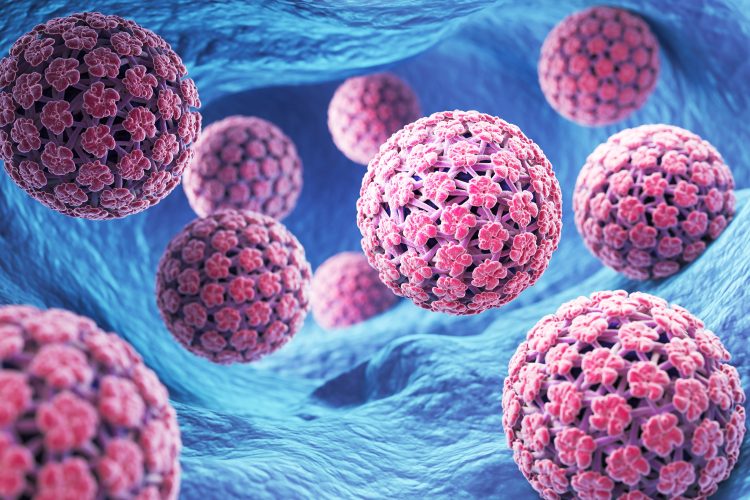
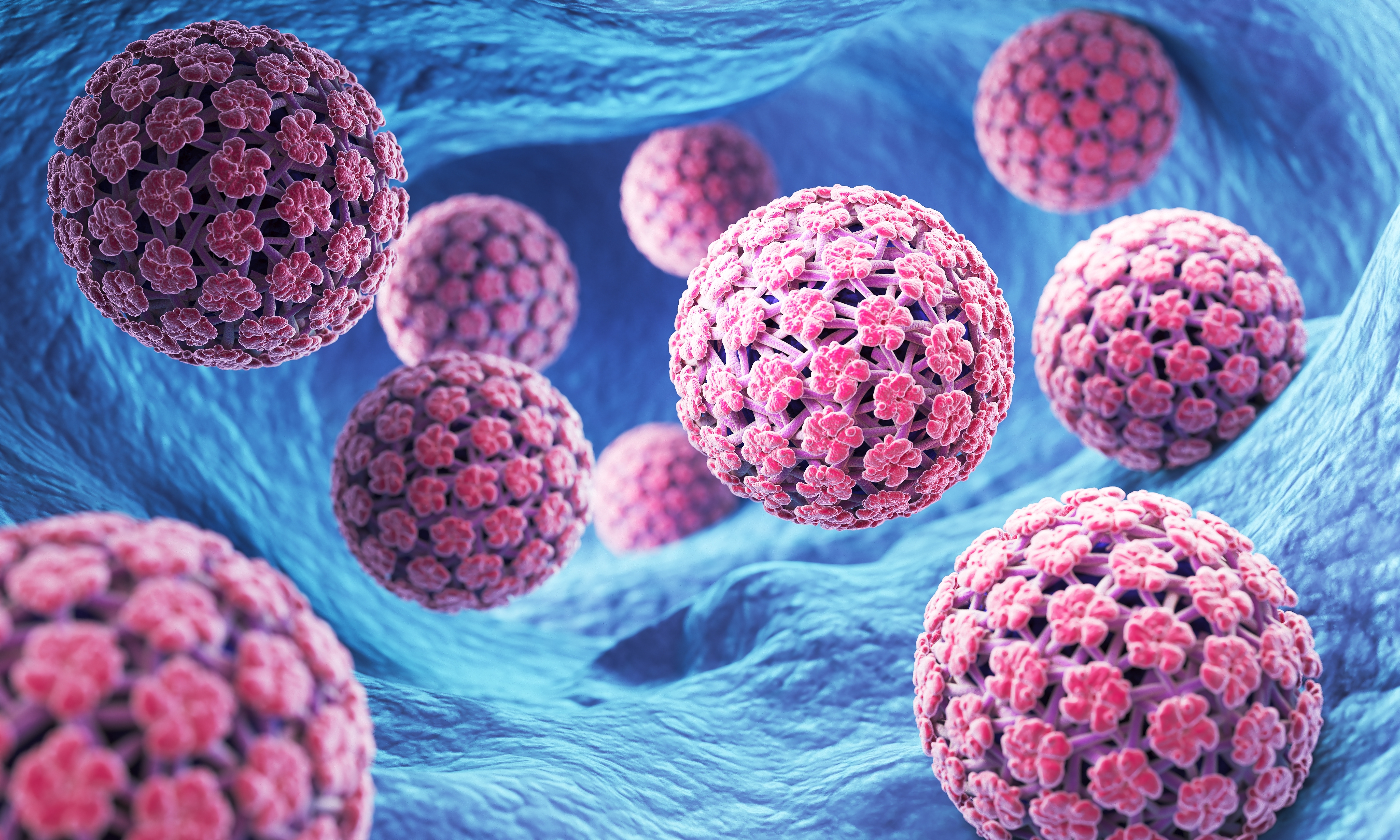
Why first-void urine could potentially change the future of HPV screening
From richer biomarker content to patient-friendly sampling, first-void urine is emerging as a promising tool in precision health. Here is why scientists are paying attention.

List view / Grid view
From richer biomarker content to patient-friendly sampling, first-void urine is emerging as a promising tool in precision health. Here is why scientists are paying attention.
Advances in genomics and structural biology are providing drug discovery scientists with more biological targets to prosecute, and greater information about each one.
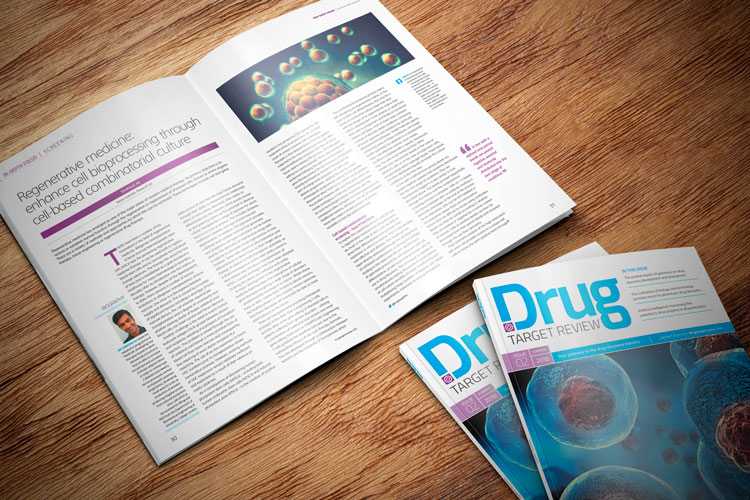
Regenerative medicine has emerged as one of the major areas of modern medical therapy. Its primary objective is to restore or establish normal function through the regeneration or replacement of diseased cells, tissues or entire organs. There are a variety of methods and approaches by which this can be achieved.…
Sometimes the difference between identifying a partial or super agonist is only the time point at which the binding reaction is measured.
The pursuit of improved R&D productivity rates coupled with decreased cycle times has dominated pharmaceutical discourse in recent years.
Target the genes that matter for efficient sequencing and analysis with custom-targeted gene panels.
Bioactivity profiling has been traditionally used to assess the selectivity of new drug candidates in the context of target-based approaches, where pharmacological selectivity is a key requirement.
This In-Depth Focus reviews the history of cancer treatments, looks at improving the translation of disease biology though phenomics, and considers how to enhance cell bioprocessing through cell-based combinatorial culture.
In this issue the latest applications of molecular imaging in drug development are reviewed by Ben Burke and Steve Archibald and new horizons in 3D microscopy are explored by Dimitri Scholz and Karl Gaff.
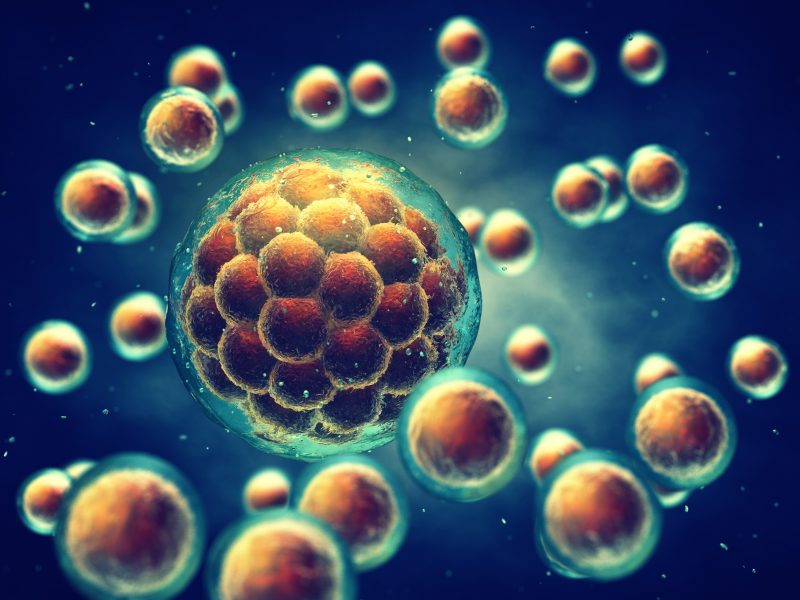
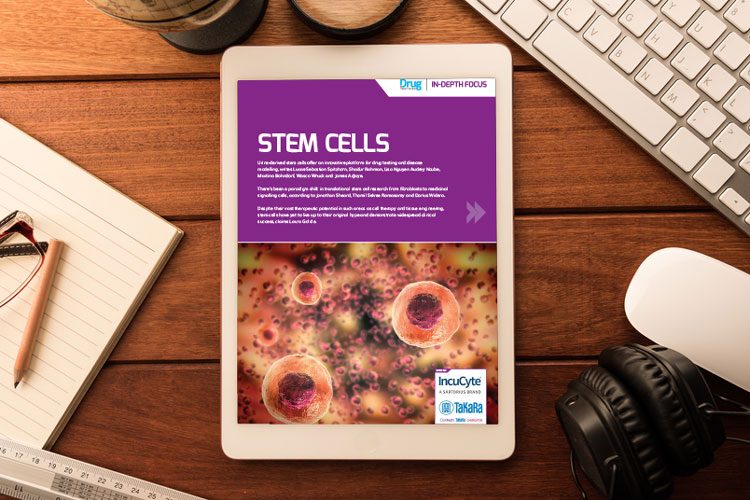
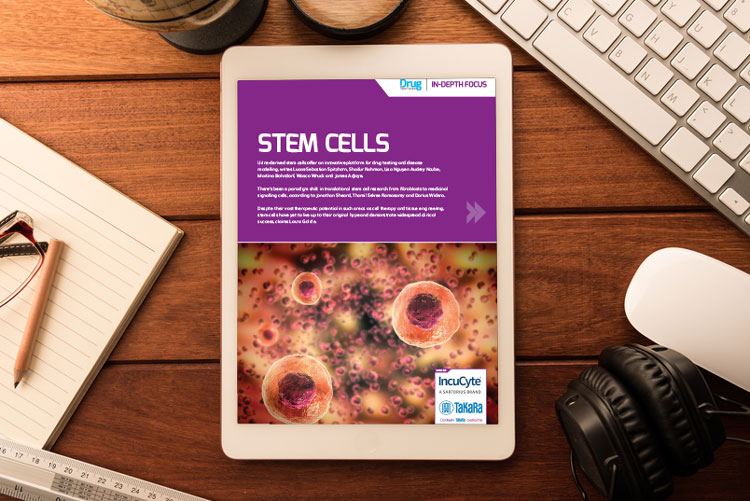
In this issue: urine-derived stem cells offer an innovative platform for drug testing and disease modelling, a paradigm shift in translational stem cell research, and the role of biomaterials in stem cell-based regenerative medicine.
In this issue: the positive impact of genomics on drug discovery, development and deployment, the confluence of biology and technology, and Artificial Intelligence: harnessing the potential to drive progress in drug discovery promises much for phenotypic drug discovery
Although readers of Drug Target Review may be more focused upstream of clinical trials in the drug discovery pipeline, the efficacy of clinical trials should also be of interest. Millions of pounds invested in drug discovery in the laboratory could easily go to waste if the clinical trials stage is…
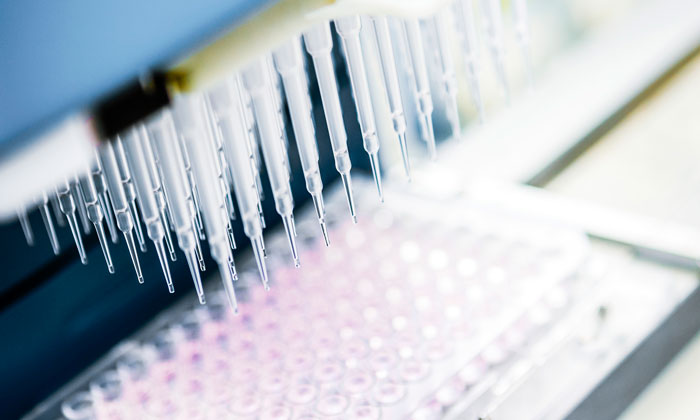
This article compares and contrasts a commonly used cell viability assay in manual and automated fashion and provides exemplar data from each scenario.
This article focuses on how the immune system functions, the challenges that it presents to drug development and why there are such concerns around safety that need to be investigated in pre-clinical studies. Moreover, it covers the role of checkpoint inhibitors as an attractive target for cancer immunotherapy.
High-throughput screening (HTS) has become an integral part of early stage drug discovery. This article looks at the use of the latest in vitro 3D cell and tissue culture model systems in HTS. We also highlight some of the bottlenecks and attempt a look into our crystal ball to identify…
There are no short-cuts in the complex field of lipidomics, explains Cristina Legido-Quigley, a Principal Investigator in Systems Medicine at Steno Diabetes Center Copenhagen in Denmark and at King’s College London.