



A new study has uncovered the first known function of the dorsal posterior periventricular hypothalamic nucleus, revealing a cold-sensing circuit that could serve as a novel drug target for obesity, Type 2 diabetes and other metabolic disorders.
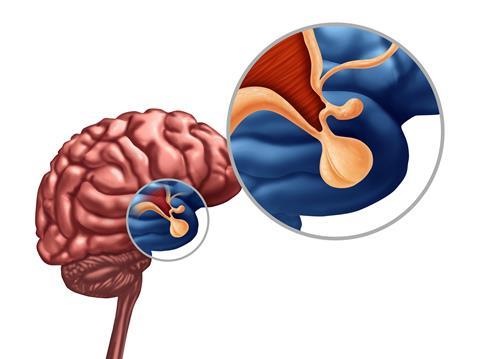
New research led by USF Health has identified an unknown brain circuit that appears to coordinate eating, heat production and energy use when temperatures fall.
When body temperature drops, the brain triggers a several responses designed to keep the body warm. These include increasing energy expenditure to generate heat and stimulating appetite to replace the fuel used during cold exposure.
Although scientists have understood these responses for decades, the way the brain coordinates them has remained unclear.
The study was conducted in non-human models and focused on a little-studied region at the back of the hypothalamus known as the dorsal posterior periventricular hypothalamic nucleus, or dPVp.
Researchers say the discovery provides the first known function for the previously underexamined brain region, which could become a new treatment target for obesity, Type 2 diabetes and other metabolic disorders.
We identified a very understudied brain region and then found the first function for that brain region. The basic function of the dPVp is to sense temperature fluctuations and then coordinate a comprehensive set of behaviors or metabolic changes to deal with cold exposure.”
Yong Xu, Professor, the Department of Psychiatry and Behavioral Neurosciences, USF Health Morsani College of Medicine
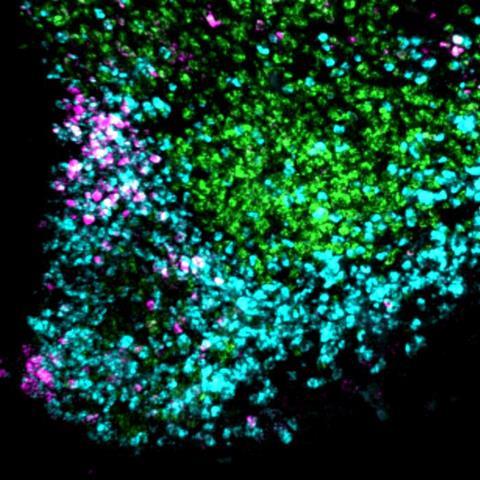
A control centre for cold exposure
The findings suggest the dPVp acts as a control centre for the body’s response to cold. The region became highly active when body temperatures fell and activated neurons linked to increased food intake and heat production.
To investigate its role, researchers experimentally manipulated cold-responsive neurons in the dPVp. Their experiments indicated that the region plays a central part in coordinating behavioural and metabolic responses to cold exposure.
Activating dPVp neurons produced an increase in the drive to eat while simultaneously increasing energy expenditure. According to Xu, these effects could help prevent weight gain and improve glucose regulation.
The researchers also identified a protein within dPVp neurons that appears to act as a biological sensor for cold. Known as KCNK2 or TREK-1, the protein helps brain cells detect temperature changes and coordinate the body’s response.
Potential target for future treatments
The discovery could eventually point to a new treatment target for obesity, Type 2 diabetes and other metabolic disorders.
Rather than focusing solely on reducing appetite, future therapies could target the newly identified pathway to help the body burn and use more energy. However, the research is still at an early stage and further studies will be needed to determine whether the pathway can be safely targeted in humans.
“If successful treatments were developed targeting the cold sensor, we wouldn’t have to expose people to cold temperatures to achieve those benefits; one could maintain metabolic health without dieting,” said Xu.








No comments yet