
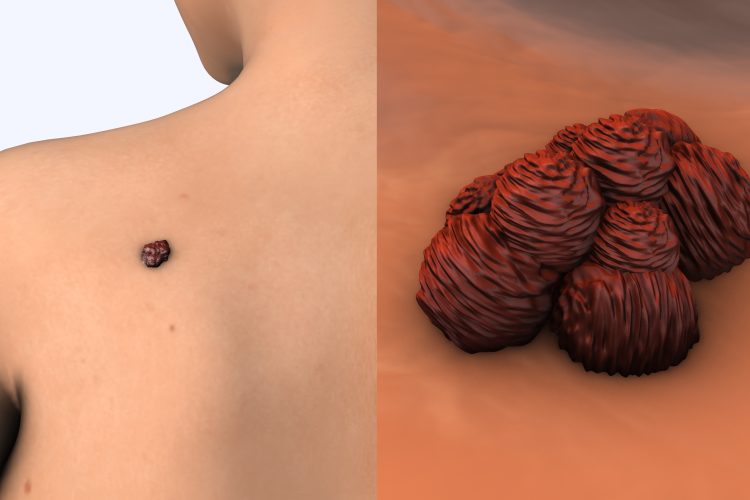

Protein FSP1 found to help melanoma survive in lymph nodes
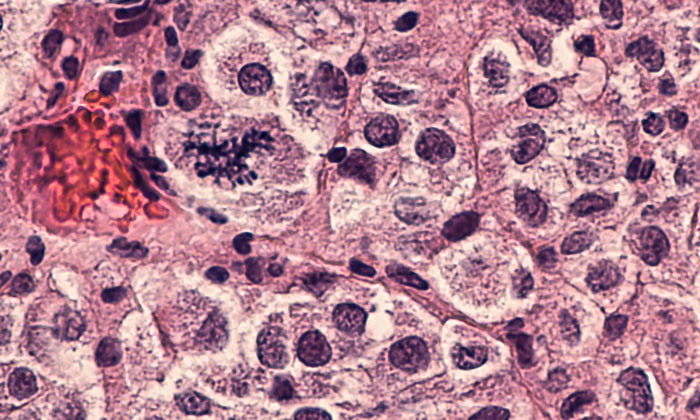
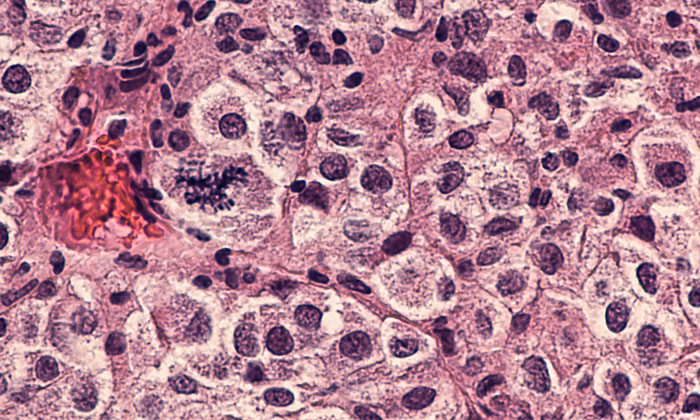
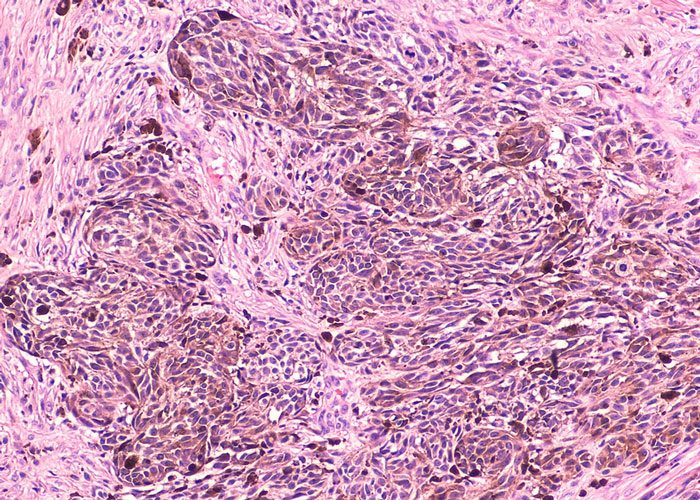
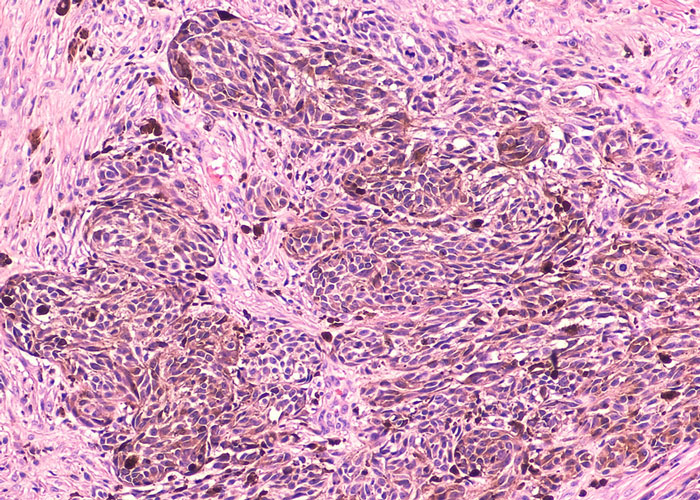
New research has discovered a key survival mechanism in metastatic melanoma, revealing that cancer cells spreading to lymph nodes depend on a protein called FSP1 to avoid cell death.

List view / Grid view
New research has discovered a key survival mechanism in metastatic melanoma, revealing that cancer cells spreading to lymph nodes depend on a protein called FSP1 to avoid cell death.

A government-funded research team has identified focal adhesion kinase (FAK) as a key driver of melanoma metastasis to the brain. This discovery could revolutionise treatment by not only addressing the condition but also preventing its spread to the brain.
Scientists in Japan have developed a new radioactive drug that emits alpha particles, showing promise for targeting metastatic melanoma - an aggressive skin cancer resistant to many conventional treatments.
Researchers have developed an mRNA-based cancer vaccine that is delivered directly into the lymphatic system for a more potent response.
A study has used a proteomic method to uncover why some melanoma tumours do not respond to immunotherapy, which could improve treatments.
Study in the U.S. demonstrates successful treatment of advanced melanoma and metastatic cancer using a new bacteria-like agent combined with an immunotherapy drug.
Scientists have investigated the mechanisms by which the lymphatic endothelial cells modulate metastasis in melanoma, providing new targets for therapy development.
A novel compound may restore immune response in patients with melanoma, according to a study presented at the ESMO Immuno Oncology Congress 2017.1
Researchers have revealed a protein active during early embryo development called GDF6 plays a primary role in metastatic melanoma...