


news
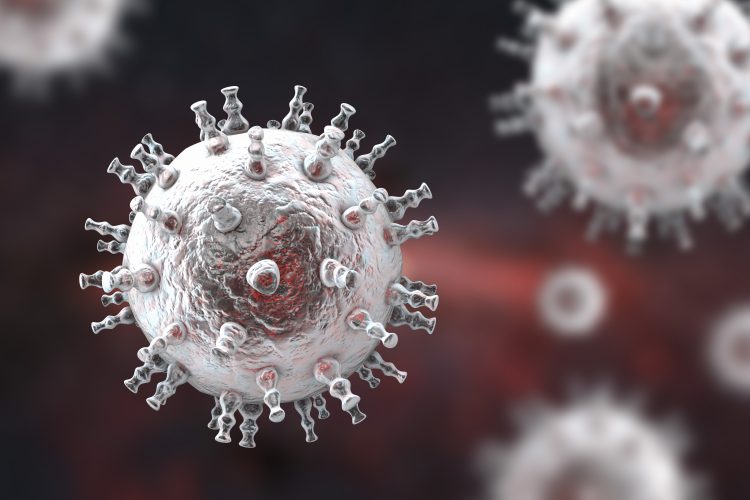
First animal model for Kaposi sarcoma developed
The mouse model provides a new understanding of the fundamental aspects of KSHV, which will enable drug and vaccine development.
List view / Grid view
The mouse model provides a new understanding of the fundamental aspects of KSHV, which will enable drug and vaccine development.

Dr Laura Figulla is the CEO of mbiomics. Laura co-founded mbiomics which is dedicated to unlocking the true value of the microbiome by developing next-generation live biotherapeutics (LBPs). Throughout her career, Laura has combined her entrepreneurial spirit with her diverse academic background in business, economics, and medicine to build companies that…

In this article, Dr Robert Scoffin, Chairman and CEO at Cresset, explores FEP and its current challenges, and outlines how continuous advancements and strategic approaches are helping to drive the adoption of FEP methods in drug discovery.
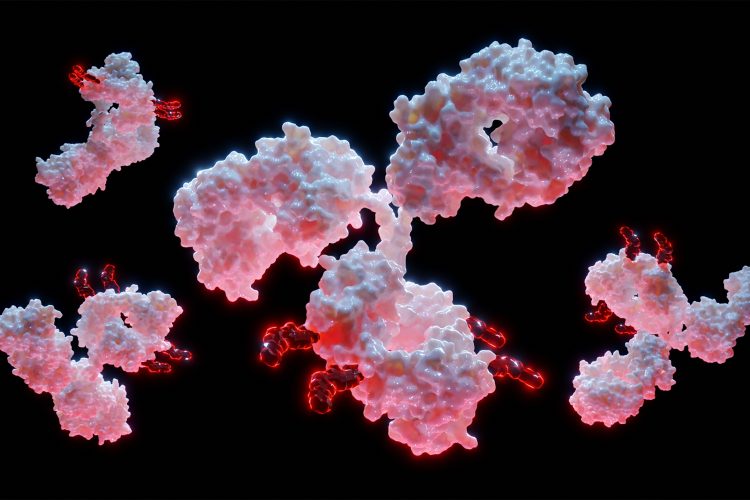
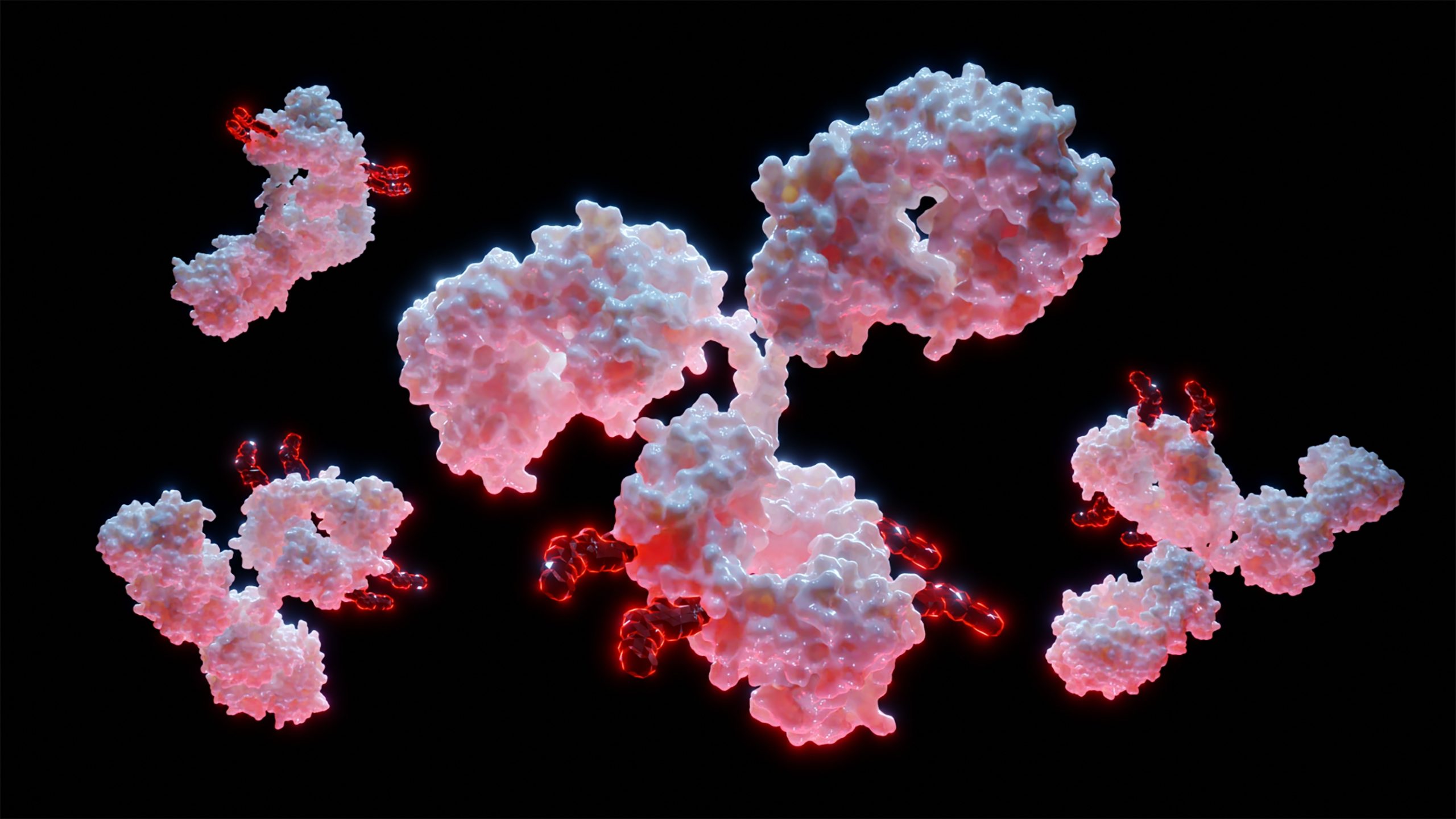
In this Q&A, Léo Marx, Medicinal Chemistry Project Manager at Debiopharm, details how the therapeutic window of ADCs can be impacted, how we can overcome the challenges associated with achieving site-specific bioconjugation, and other essential considerations for optimising ADC performance.
Lidia Pieri earned a Master’s degree with honours in high energy physics at CERN, a PhD in theoretical astroparticle physics from Rome-3 (Italy) and an Executive MBA in Business Innovation with honours from the MIB school in Trieste. During the academic period she gained international exposure and recognition working as…
The new films killed over 80 percent of cancer cells, reduced recurrence rates and minimised undesirable chemotherapy side effects.
Although pre-targeting is still in its infancy, it has immense potential to increase state-of-the-art radioligand therapies. In this Q&A, PreTT reveals how their pre-targeted RLTs surpass traditional methods, transforming cancer treatment.
Evidence indicating that FOXO1 plays a unique role in promoting T cell longevity could result in more effective CAR T cell therapies.
Organoid models enabled the researchers to study the effectiveness of eukaryotic ribosomal selective glycoside drugs on PKD cyst formation.
IFNβ could be developed into a new therapy, following an improved understanding of how innate immunity affects the brain during chronic HIV infection.
The compound 11c demonstrates an excellent safety profile and is an exciting advancement in liver disease management.
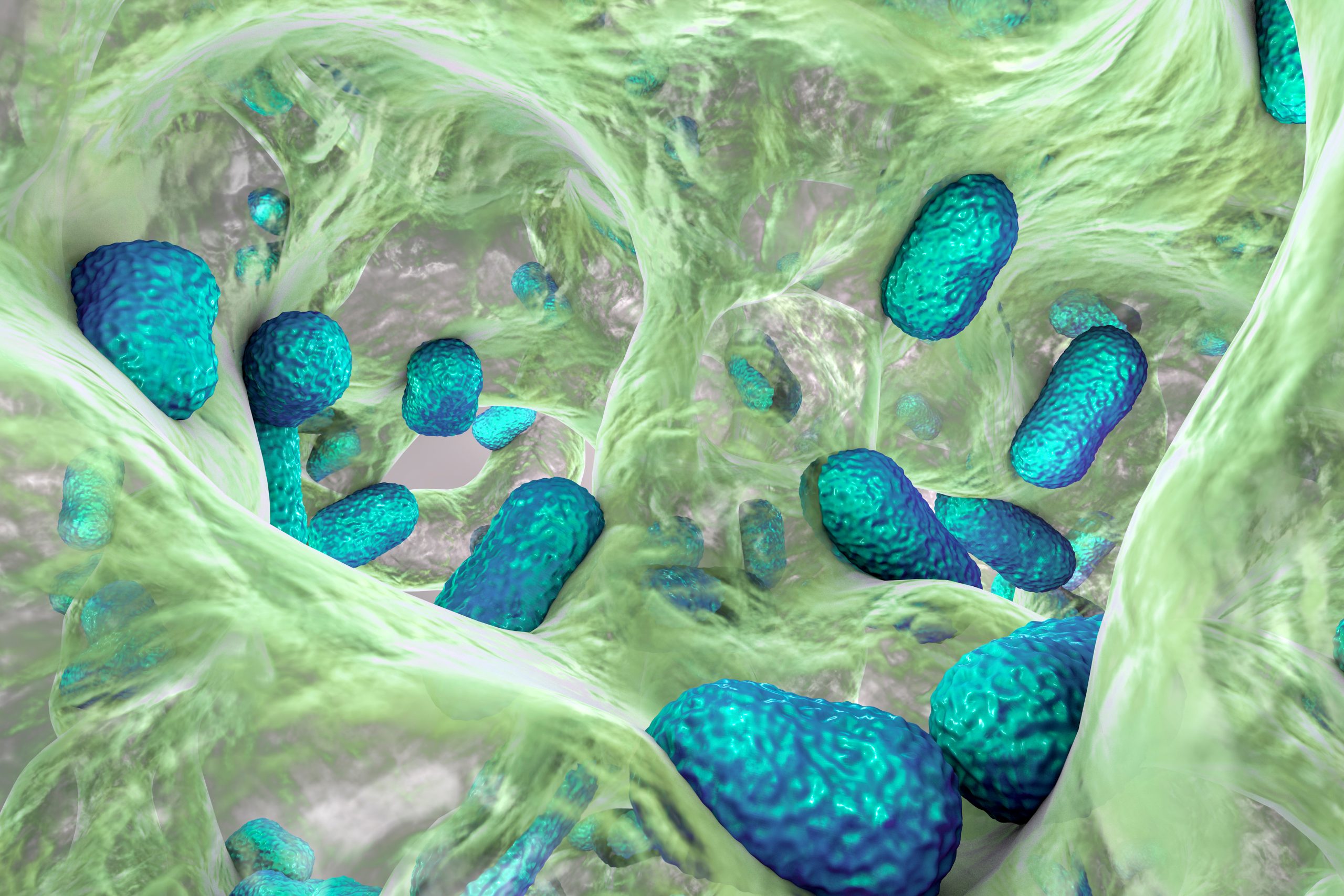
Six molecules that had potent antibacterial effect against one of the world’s most dangerous antibiotic-resistant bacteria were generated.
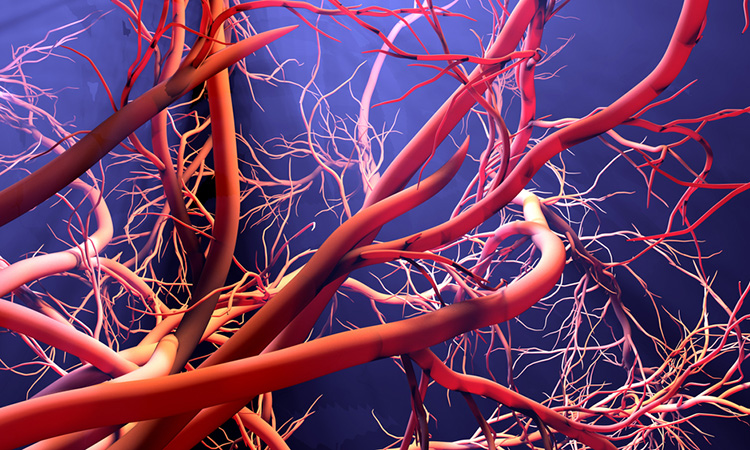
The discovery of two proteins that effectively mature hiPSCs into endothelial cells may have a range of research and clinical benefits.
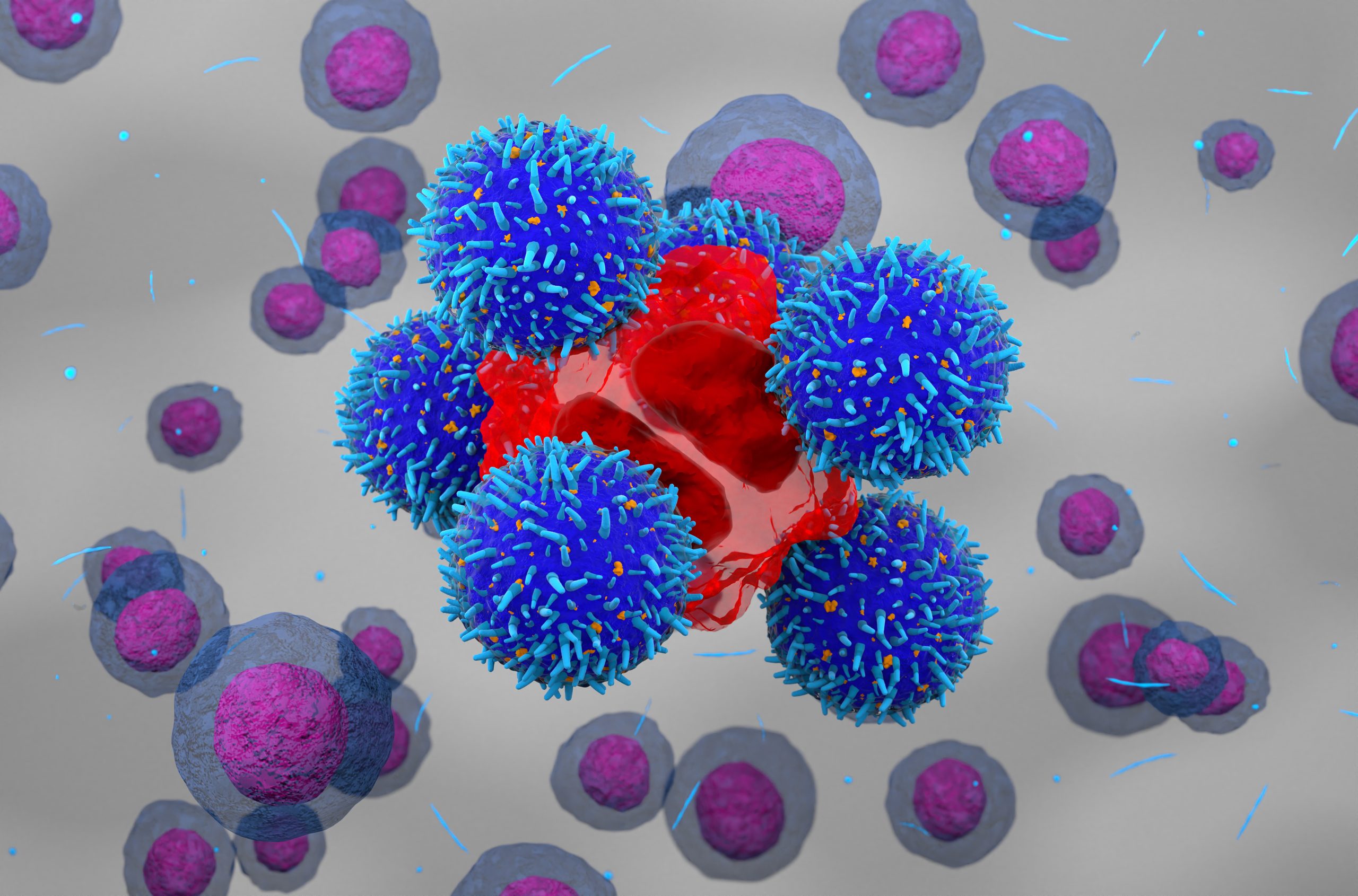
Pharmacological concomitant therapies or further genetic improvement of CAR T-cells can increase their effectiveness against TP53-mutant AML cells.
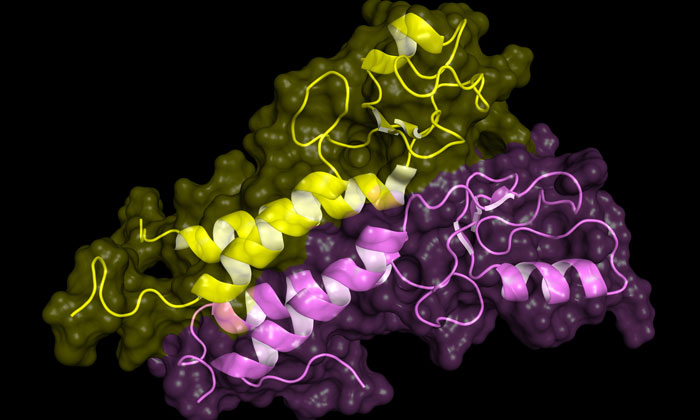
New findings will enable the development of safer PARP inhibitors that inhibit PARP’s enzymatic activity without trapping it on DNA.
