

article
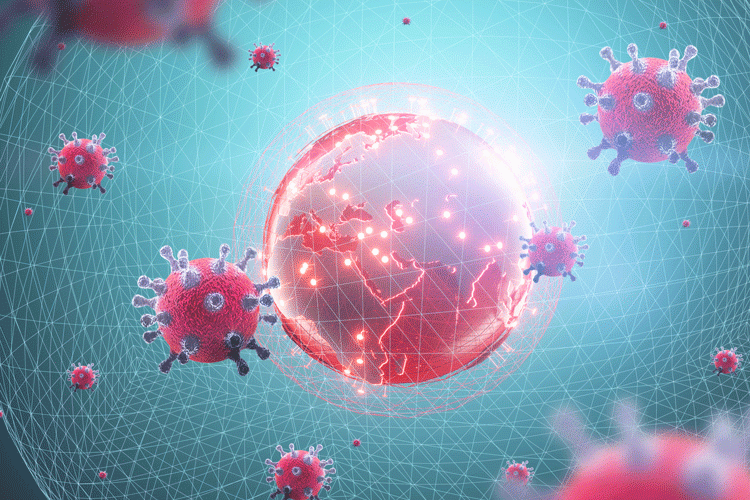
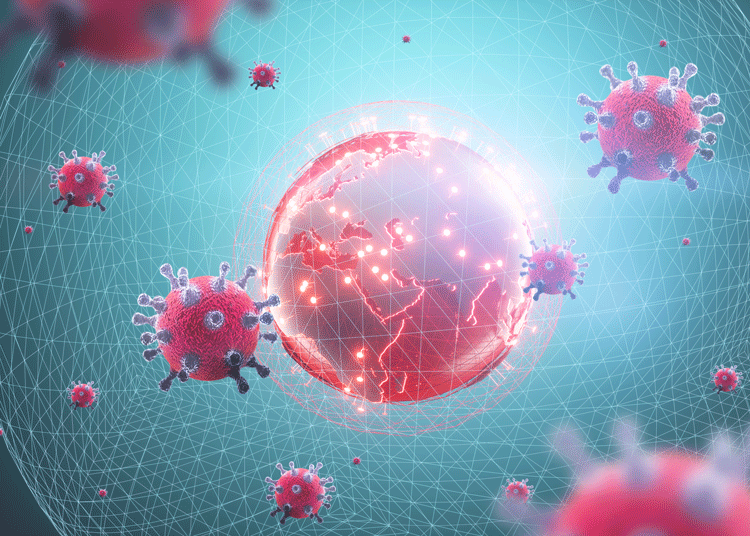
Delivering a therapy to kerb COVID-19
Sheraz Gul explores current research developments to help treat and tackle the spread of COVID-19.
List view / Grid view
Sheraz Gul explores current research developments to help treat and tackle the spread of COVID-19.


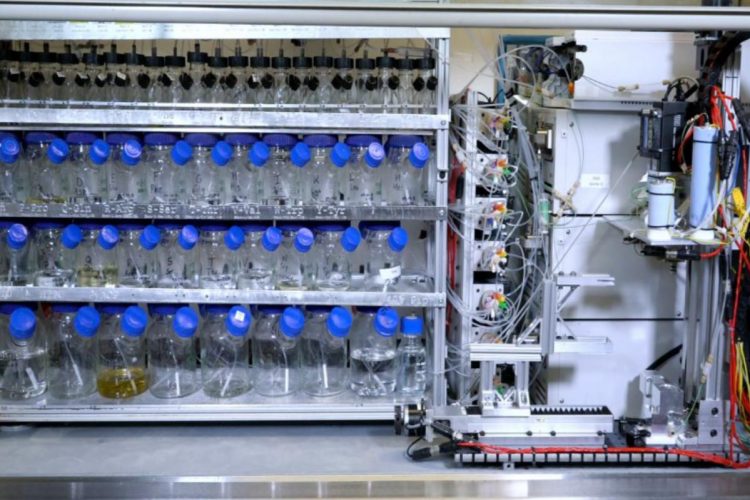
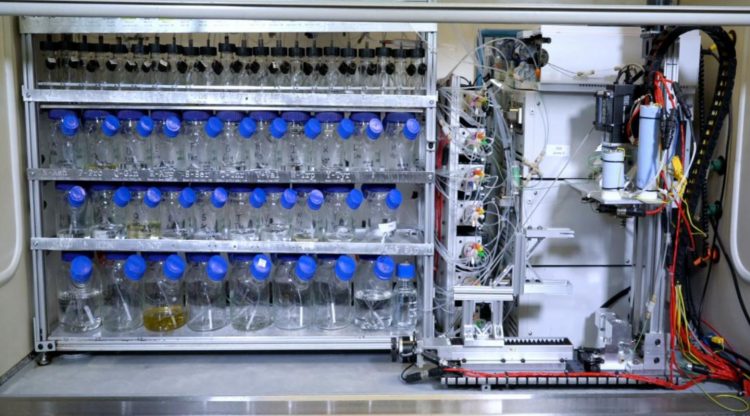
High-throughput screening is a common method of identifying lead compounds for drug development. The most common targets are enzymes – catalytic proteins that perform chemical reactions in the cell. In this article, Matthew Lloyd discusses the opportunities and challenges associated with this approach.
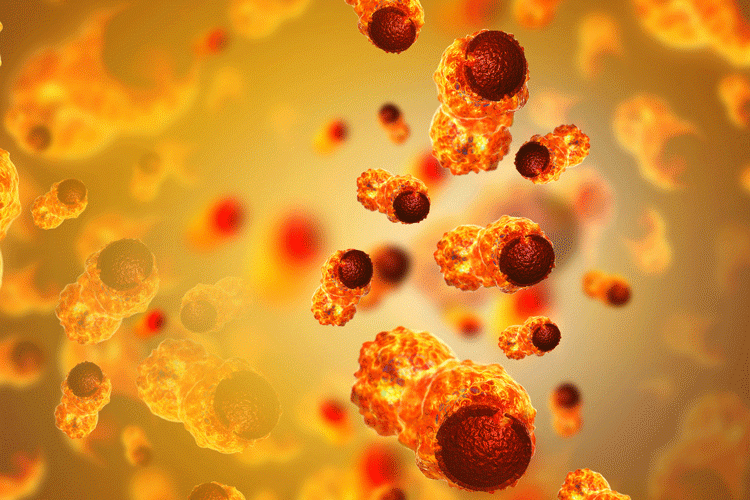
The oncology market is saturated with new drugs that target the immune system, however, these only target part of the problem caused by cancer’s ability to hide from the immune system. Miguel Ferreira discusses why emerging three-drug combinations are poised to redefine the immuno-oncology treatment paradigm in advanced malignancies with…
Neoantigens have gained much interest in recent years, mainly due to their ability to elicit a strong, specific immune response. Nikki Withers spoke to two immunology experts to explore the progress being made and assess what remains challenging for cancer investigators working on these transformational therapies.
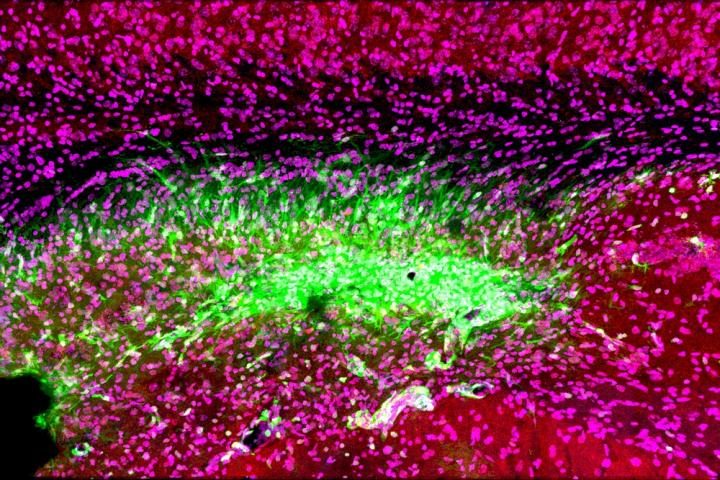
Administering a novel complement protein blocker (B4Crry) alongside reperfusion therapy improved cognitive and motor recovery in a model of ischemic stroke.
The novel peripheral serotonin antagonist, based on Parkinson’s drug pimavanserin, increased glucose tolerance and lean body mass in a murine model of non-alcoholic fatty liver disease (NAFLD).
Researchers in the US describe how they utilised previously published scientific literature to guide the design of their potential COVID-19 vaccine.

Despite hundreds of off-the-shelf treatments, cancer remains the second leading cause of death globally.
The novel protocol allows proteins over 100 amino acids long to be synthesised in hours and include amino acids that do not occur in the human proteome.
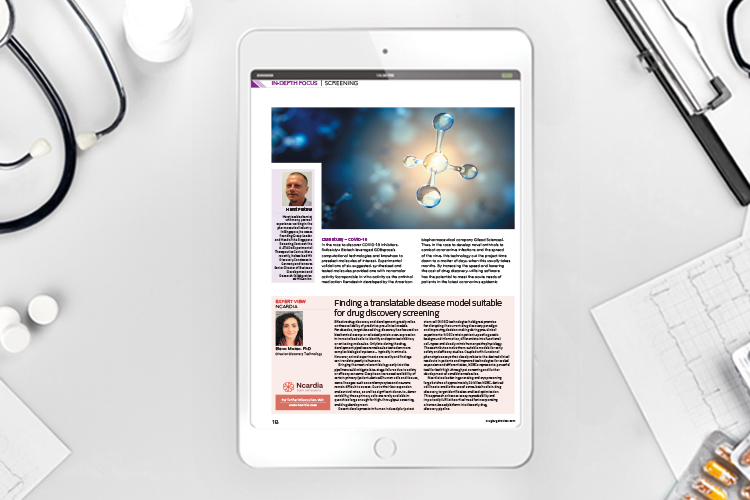
Effective drug discovery and development greatly relies on the availability of predictive pre-clinical models.
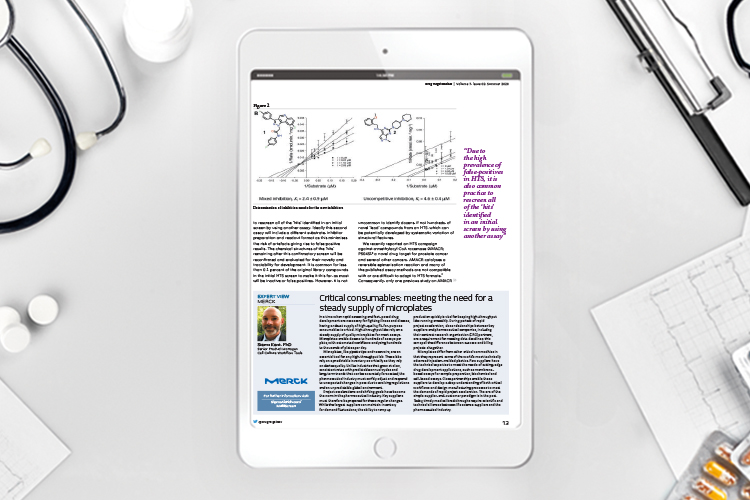
In a time when rapid screening and fast-paced drug development are necessary for fighting illness and disease, having a robust supply of high-quality, fit-for-purpose consumables is critical.
This in-depth focus features articles on using combinations of immuno-oncology drugs to target solid tumours and haematological cancers and how neoantigens of cancer cells could be used as the basis of novel immuno-oncology vaccines.
Included in this in-depth focus are articles on how high-throughput screening can be used to identify lead compounds, using chemoinformatics as a map to guide drug discovery and a novel in vitro model to screen potential treatments for non-alcoholic fatty liver disease (NAFLD).


A review of pain research suggests it is biased towards males, despite most chronic pain sufferers being female, resulting in ineffective analgesics.
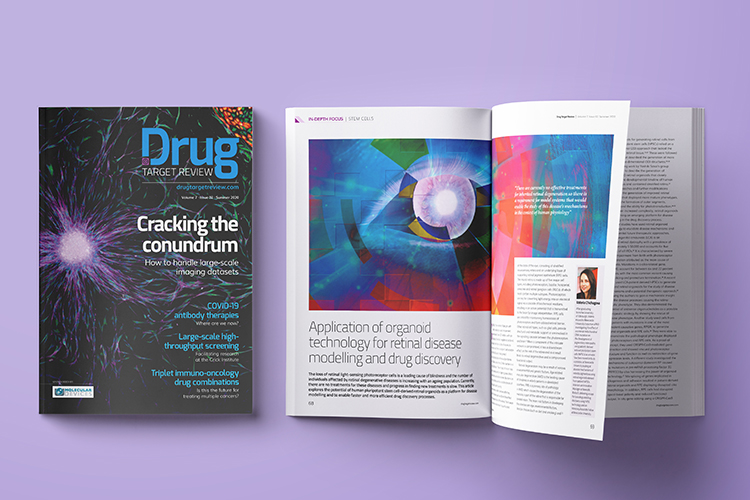
In this issue authors discuss the development of COVID-19 antibody therapies, how high-throughput screening enhances research at the Crick Institute and why combinations of immuno-oncology drugs could revolutionise treatment of advanced cancers. Also included in the issue are articles on stem cells and imaging.
