


article
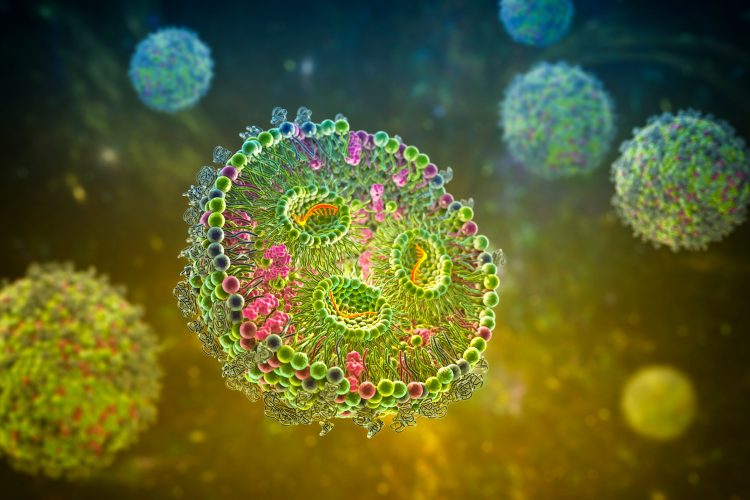
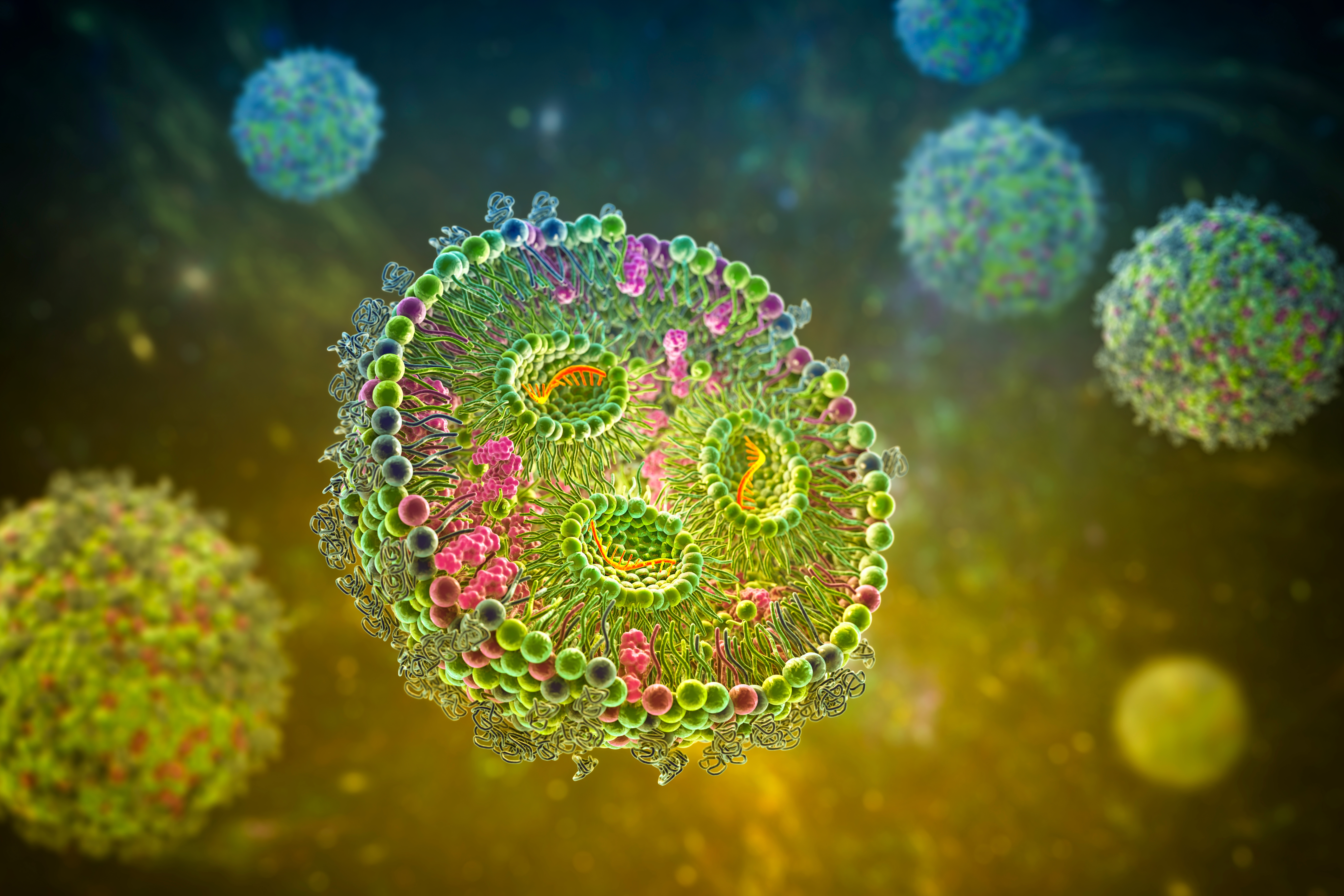
Advancing gene editing: the role of lipid nanoparticles in CRISPR delivery
CRISPR therapies depend on delivery and lipid nanoparticles are emerging as a more flexible and scalable option than viral vectors.
List view / Grid view
Gene Therapy is the introduction of normal genes into cells in place of missing or defective ones in order to correct genetic disorders.
CRISPR therapies depend on delivery and lipid nanoparticles are emerging as a more flexible and scalable option than viral vectors.


From gene therapy to Long Covid, better assays are helping researchers move promising drug candidates from early studies into clinical trials. Dr Alexandre Lucas explains the technologies, challenges and innovations driving this progress.
Northwestern University researchers have created DNA-coated nanoparticles that deliver CRISPR into cells three times more effectively while reducing toxicity. The advance could overcome one of the biggest barriers to gene-editing therapies.


A small subset of newborn liver cells – known as clonogenic hepatocytes – drives over 90 percent of adult liver growth. New research shows how targeting these cells early could improve the effectiveness and durability of paediatric gene therapies.

UCLA scientists have created the first detailed map of how the ovarian reserve forms in primates, offering new insights – and potential new treatments – for infertility, polycystic ovary syndrome (PCOS) and hormone-related conditions.
Most gene therapies rely on static DNA promoters to control gene activity, but nature uses far more sophisticated tools. Dr Matthew Dale explores how harnessing RNA-level control could enable treatments that sense and respond in real time, offering unprecedented precision and safety.
Researchers at the University of Waterloo have developed a modified bacterial virus that can deliver gene therapies cheaper and more efficiently – moving us closer toward personalised, affordable genetic medicine.


Stem cell-derived kidney organoids have revealed hidden toxicities in adeno-associated virus (AAV) gene therapy delivery – offering a powerful new way to improve the safety of future treatments.
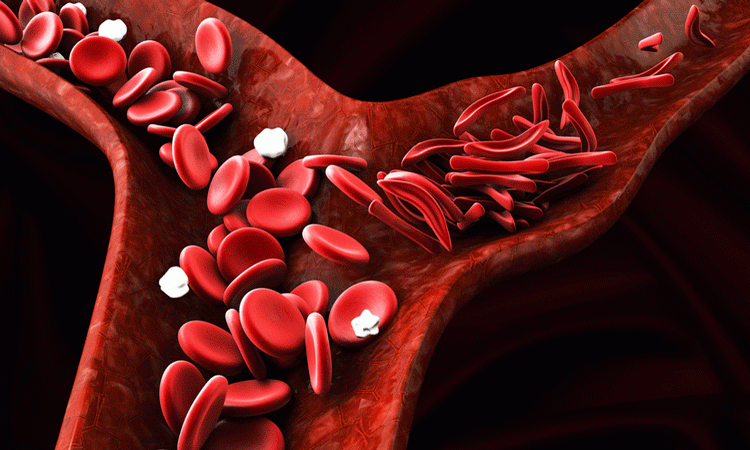
Researchers at UNSW Sydney have unveiled a next-generation CRISPR tool that could lead to safer treatments for genetic disorders, including Sickle Cell.


29 July 2025 | By Eurofins Discovery
Facing roadblocks in obesity drug discovery? Discover how integrated, validated strategies are helping teams accelerate development and reduce risk.

Gene therapy’s progress depends on reliable supply chains and efficient manufacturing. In this episode, we explore the challenges and strategies involved in plasmid production - an essential component in advancing life-changing therapies.


New therapeutic approaches are emerging for CNS disorders – but can they overcome the toughest barriers in drug development? Find out what is driving progress and what still stands in the way.
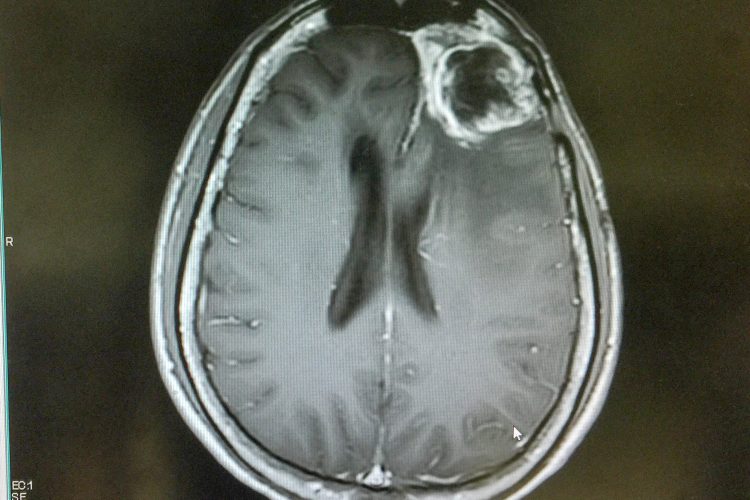
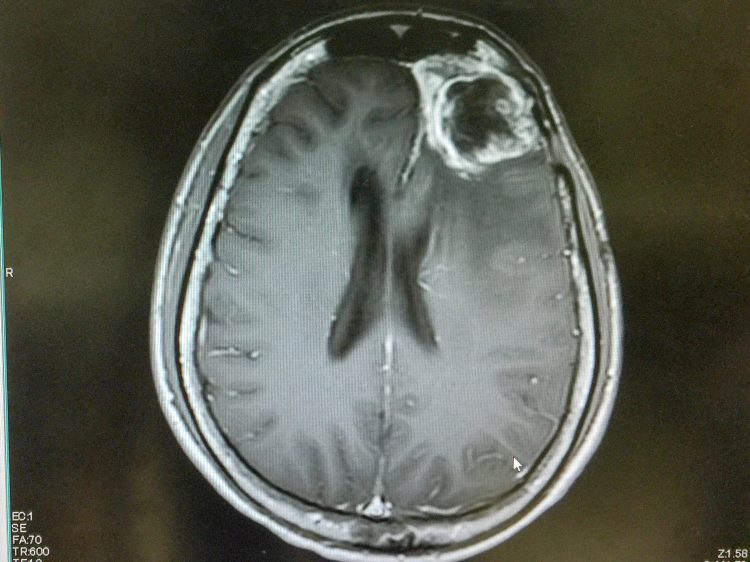
Researchers at SR-TIGET in Milan have developed a novel gene therapy approach that supercharges CAR-T cell therapy against glioblastoma – strengthening treatment against one of the world’s deadliest brain cancers.

7 July 2025 | By Molecular Devices
Expert insights reveal how 3D cellular models are revolutionising preclinical testing and clinical translation.


Researchers at The University of Osaka have found how structural changes in the VP1 protein of AAV vectors trigger genome release - offering insights for improving the safety, efficiency and stability of gene therapy delivery systems.
