


Vascularised stem cell organoids advance diabetes therapy
A team of researchers have developed the first vascularised organoid model of human pancreatic islets, which could lead to further development of advanced cell therapies for diabetes.
List view / Grid view
A team of researchers have developed the first vascularised organoid model of human pancreatic islets, which could lead to further development of advanced cell therapies for diabetes.
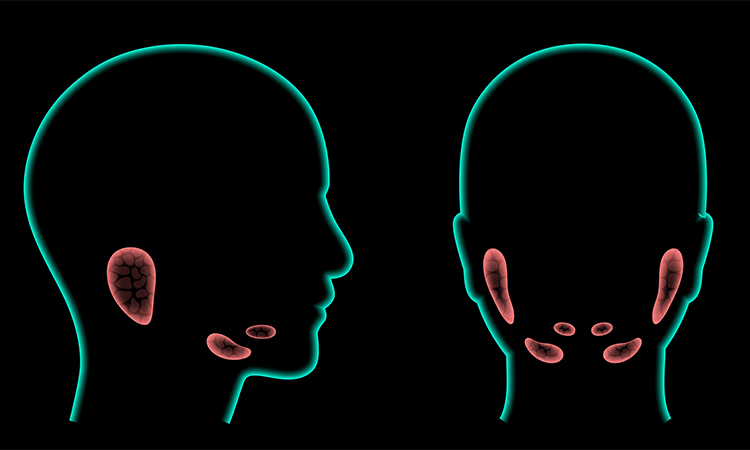
Mayo Clinic researchers have created the world’s first biobank of human salivary gland tissue-organoids, offering a resource for developing regenerative therapies to treat chronic dry mouth.
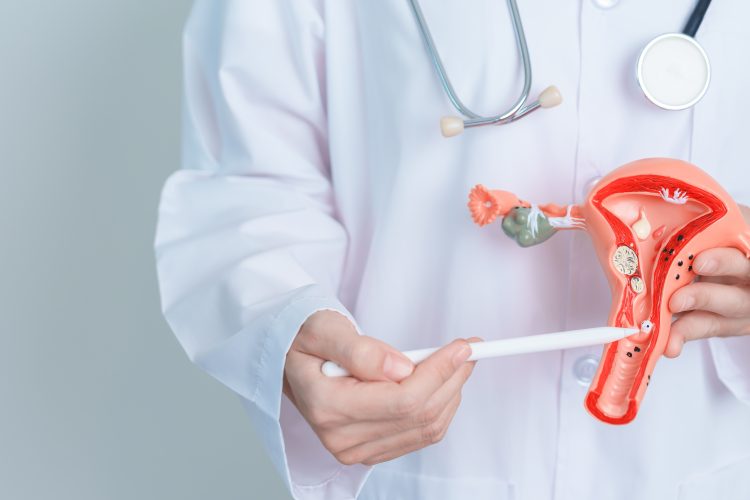
Researchers have developed the first fully stem cell-derived model of human ovarian organoids, or "ovaroids," offering a powerful new tool for studying infertility, differences in sex development (DSDs), and related reproductive disorders.
Cell and gene therapy is rapidly transforming the treatment of complex diseases, yet scaling production efficiently remains a challenge. Dr Tia Harmon from PHC Corporation of North America explores the innovations that are optimising cell expansion to enhance the discovery of advanced therapies.
McGill University researchers have found that two drugs can eliminate senescent “zombie cells” in spinal discs, offering a potential new treatment for chronic low back pain.
Researchers at Keio University have developed long-lasting, functional human liver organoids from frozen hepatocytes, marking a huge moment in organoid science.
Scientists have developed lab-grown liver organoids with functional zonation, a discovery that brings regenerative medicine a step closer to personalised, transplant-free liver therapy.
Judy Ashworth, CMO of Novadip Biosciences, shares her journey in advancing treatments for rare paediatric conditions and championing diversity in STEM.
Men and women heal bone injuries through distinct biological processes, challenging assumptions in regenerative medicine. The findings support the development of personalised implants and more effective, sex-specific treatment strategies.
Discover how Immorta Bio's cellular therapies are addressing cancer and liver failure, with the potential to transform healthcare.
A preclinical study conducted by researchers at Weill Cornell Medicine have demonstrated a new gene-editing strategy to treat short bowel syndrome (SBS), a life-threatening condition in which patients lack a functional small intestine.
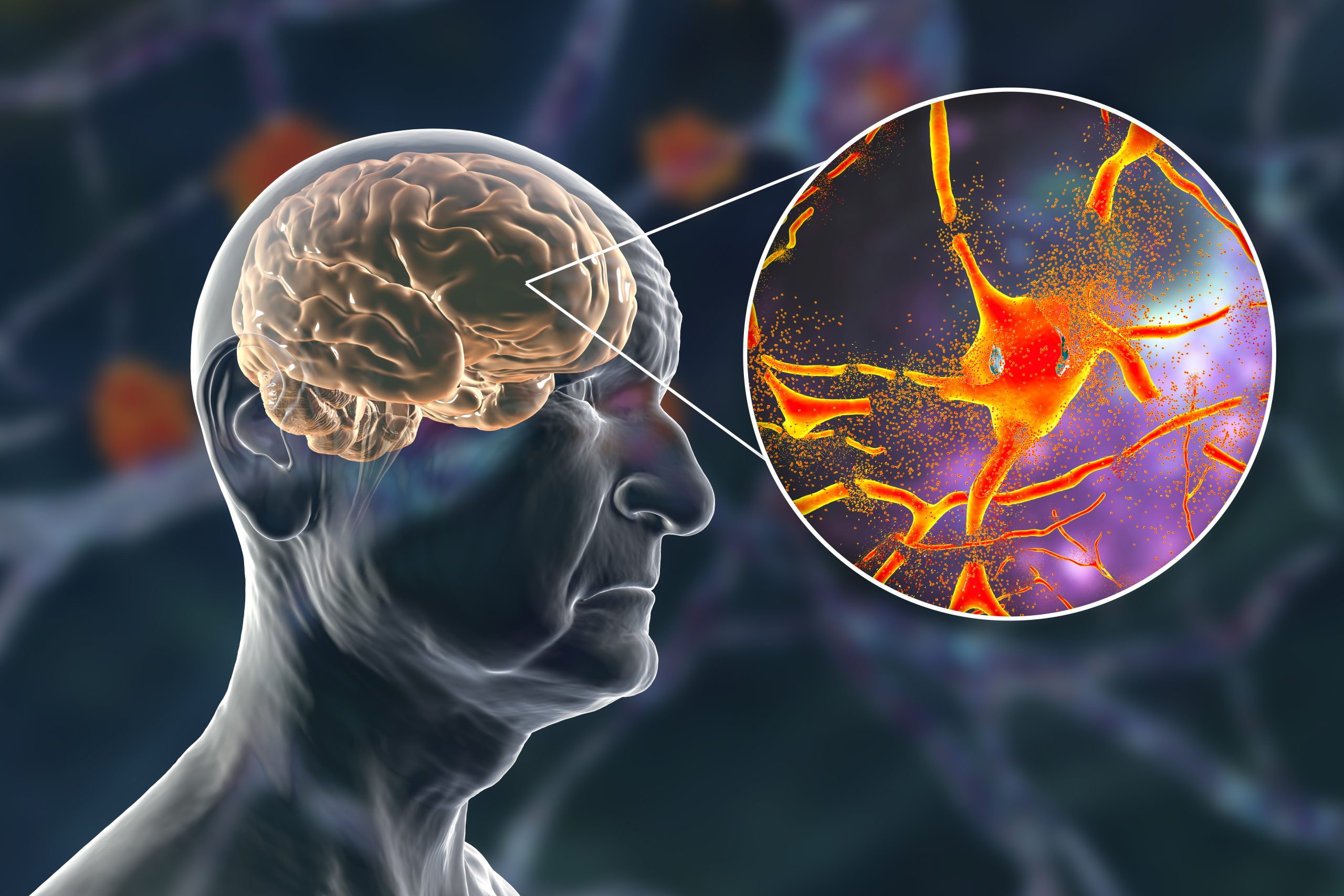
Researchers at UTHealth Houston have initiated a new stem cell therapy trial aimed at reducing neuroinflammation to prevent Alzheimer's disease before symptoms emerge, an approach that could revolutionise treatment strategies, offering new hope for at-risk individuals.
New research, led by USC Stem Cell scientists, has identified key genetic barriers to sensory cell regeneration in the ear and eye, paving the way for future drug therapies to restore hearing and vision.
Researchers from Mass General Brigham have developed a hydrogel to improve drug delivery for post-traumatic osteoarthritis (PTOA), which ensures sustained medication release, even under joint movement, addressing a major challenge in current treatments.
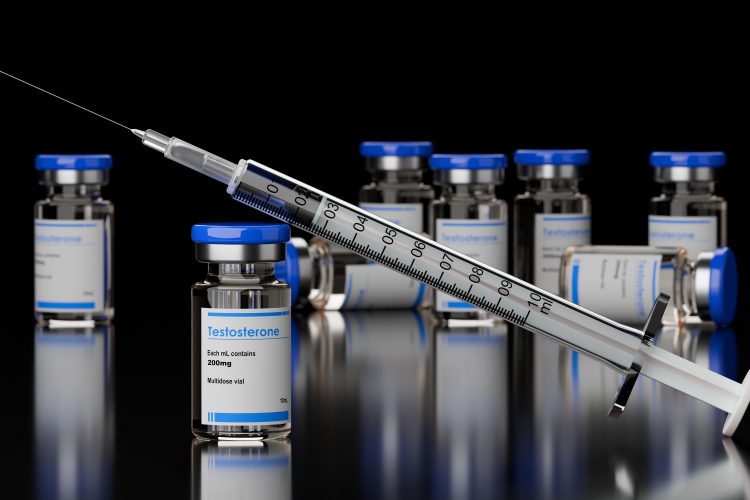
Hormone replacement therapy has long been used to treat low hormone levels, but existing delivery methods struggle with poor adherence and inconsistent hormone delivery. Lisa Stehno-Bittel of Likarda and Charles Virden of VitalTE discuss a novel approach using hormone-filled microbeads in hydrogels for steady, extended release after monthly self-injections.