


news
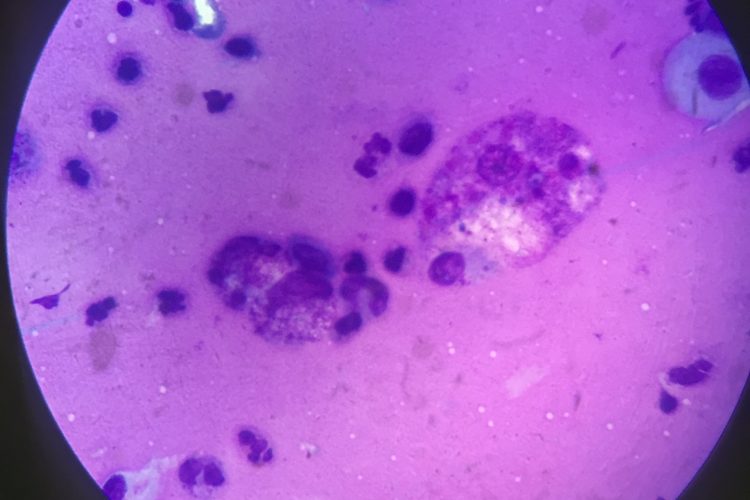
Macrophage phenotype insights could improve immunotherapy
A certain macrophage phenotype is more effective than another phenotype commonly used in cell therapy for infiltrating tumours.
List view / Grid view
A certain macrophage phenotype is more effective than another phenotype commonly used in cell therapy for infiltrating tumours.
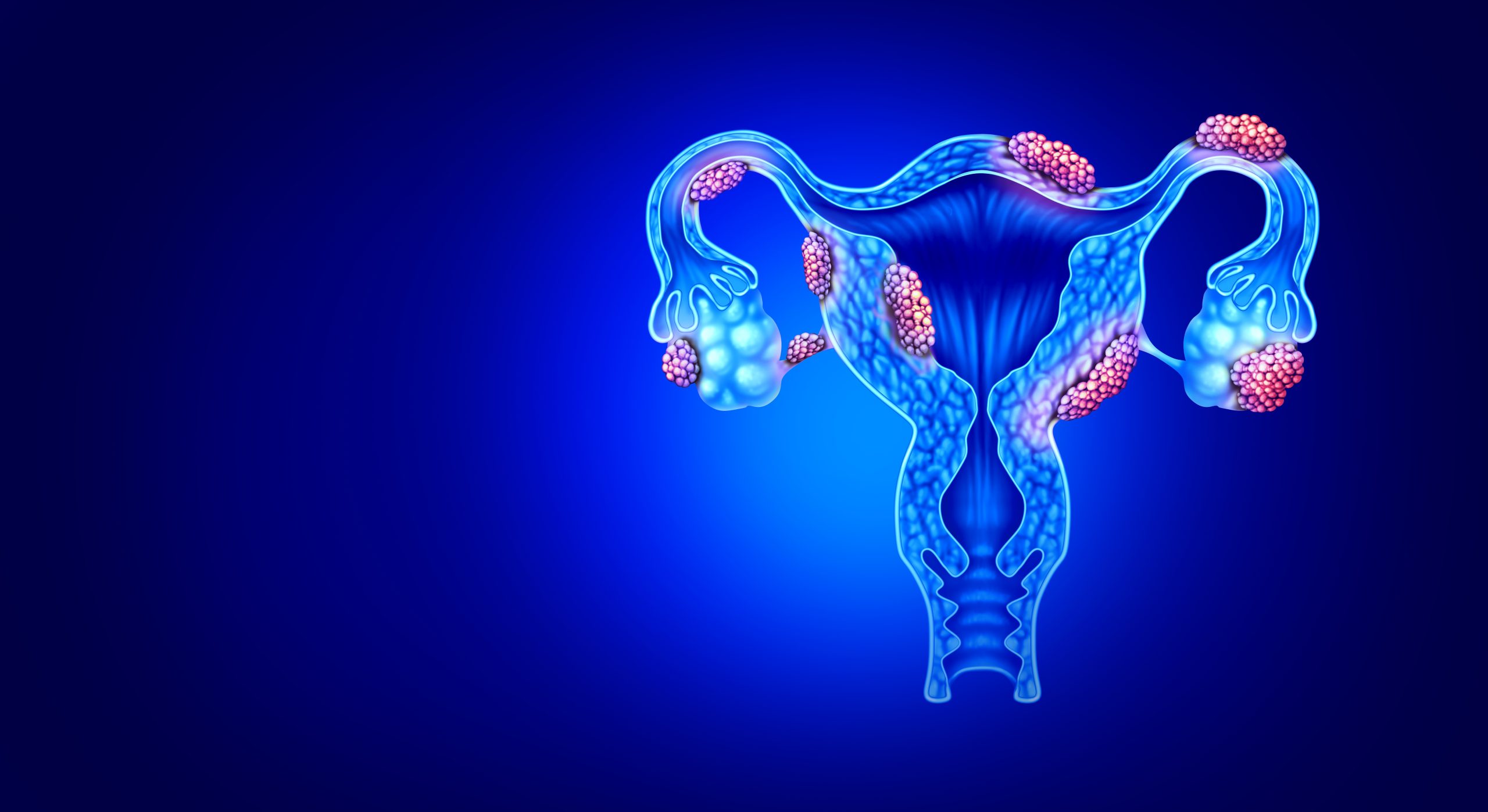
Endometriosis is a debilitating condition that affects millions of women worldwide, causing chronic pain, infertility, and a host of other distressing symptoms. Current treatments offer limited relief, but they do not address the cause of the disease. Professor Hugo Vankelecom, at the helm of the CurE-me project, is on a…
Researchers found surprising function of pulmonary ionocytes which may affect how cystic fibrosis drugs work.
New research presented at the European Academy of Dermatology and Venereology (EADV) Congress 2023 in Berlin, Germany, has highlighted a previously underestimated aspect of acne's impact on individuals: its profound influence on social perception.
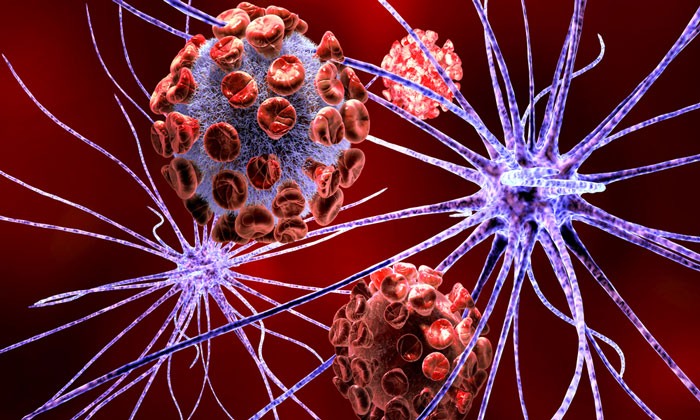
Discovery about Huntington’s disease may apply to other neurodegenerative disorders, like Alzheimer’s and frontotemporal dementia.
A recent scientific collaboration, led by the Institute of Nuclear Physics of the Polish Academy of Sciences, has overcome measurement challenges, enabling reliable cancer diagnosis.
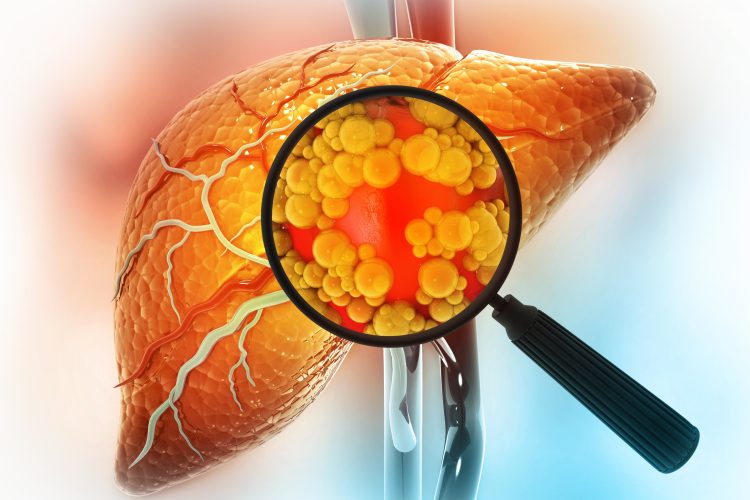
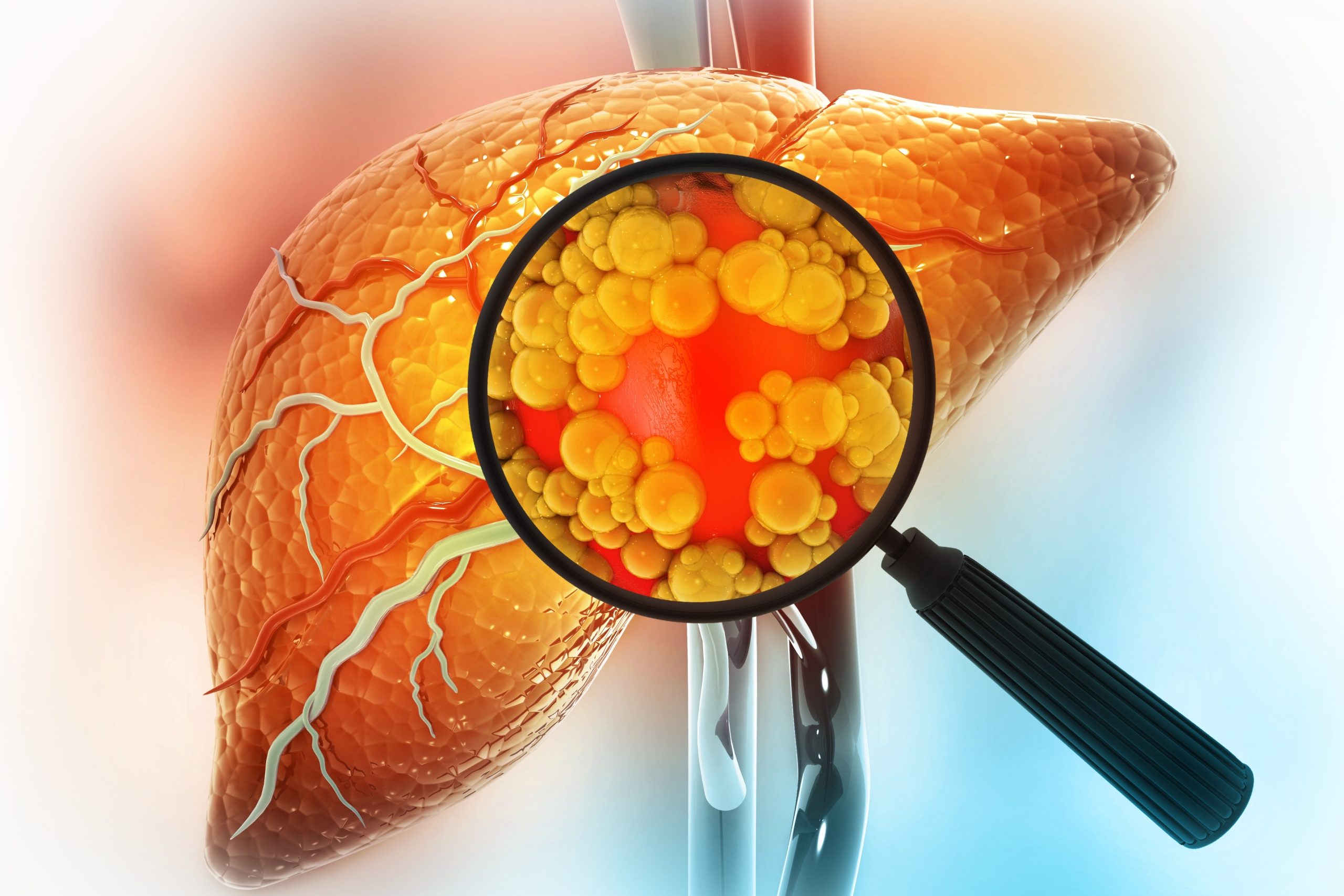
Research into how the amino acid arginine drives metabolic reprogramming offers promise for liver cancer treatment.
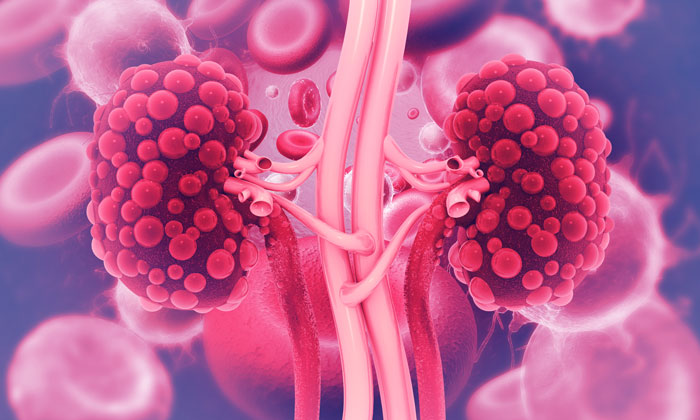
A new discovery about a different protective genetic mutation in apolipoprotein L1 could have major implications for kidney health.
New research improves patient care by finding where gene copies integrate into DNA and using lentiviral vectors.
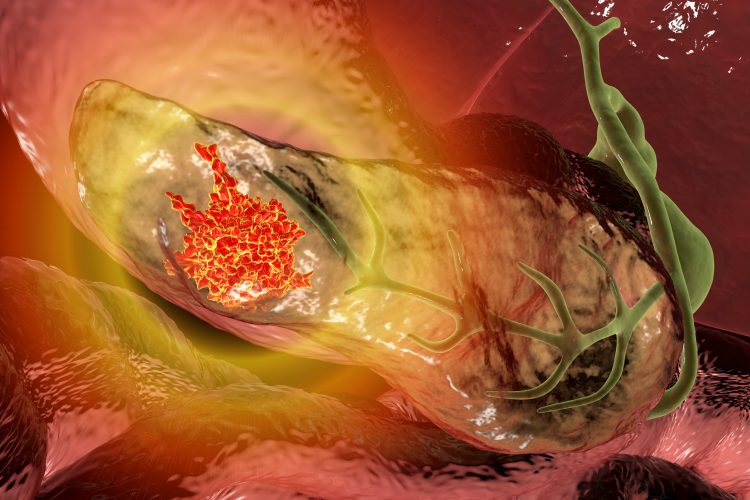
A novel treatment approach using DON molecule starves tumours of essential nutrient, significantly slowing tumour growth.
For the first time ever, researchers have developed an algorithm to predict age at death and indicate early changes related to disease.
Three gene variants in SCN9A gene, implicated in sensory neurons and inherited from Neanderthals, result in increased pain sensitivity.
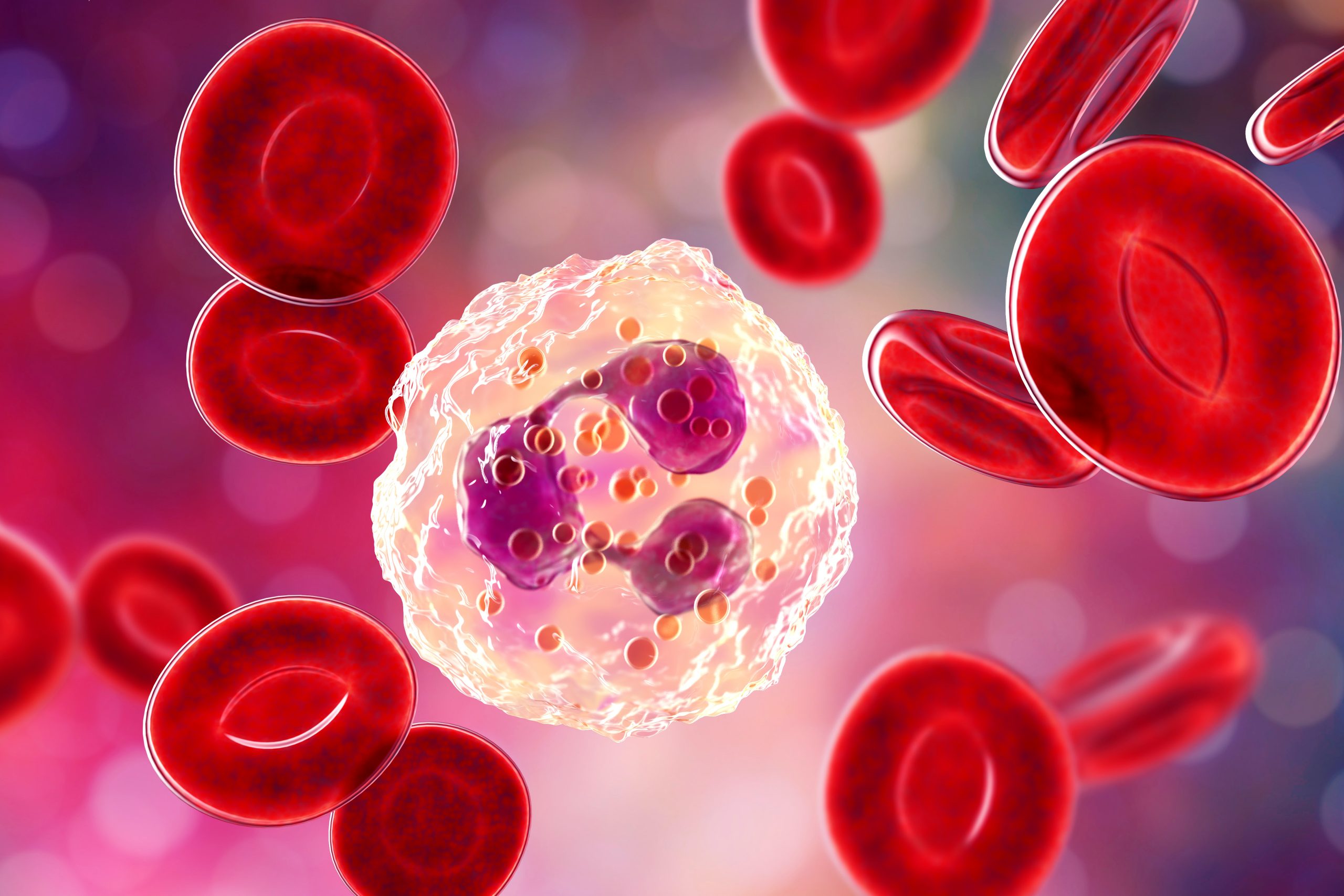
New research uncovers how neutrophils trigger cellular processes to counteract the Candida albicans toxin.
New research reveals capillary cells and neurons work together to ensure memory formation and storage.
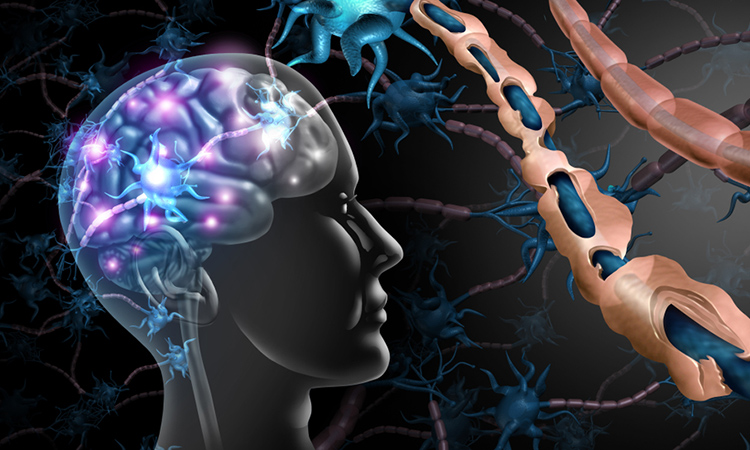
Autologous haematopoietic stem cell transplantation (aHSCT), a medical procedure typically employed in the treatment of blood cancers, holds promise as a potential therapy for individuals with relapsing-remitting multiple sclerosis (RRMS).
